



Title – Gramayana, Producers – Manoharan, Lahari Velu, Naveen, Ramesh and others Direction – Devanooru Chandru, Cinematography – Santosh Rai Pathaje, Music – Poornachandra Tejaswi, Cast – Vinay Rajakumar, Megha Shetty, Gopalakrishna Deshpande, Achyuth Kumar, Aparna Vasthare, Arun Sagar, Bala Rajawadi, Dr. Seetha Kote and others.
A decade in the making, Gramayana is presented very strongly and convincingly by Devanooru Chandru. The terrific narration, filled with so many values, gives the impression that the director has brought together the content of several films in his very first venture. His working style, dialogue writing, character presentation, and handling of the twists required for the film take the audience on a memorable journey to a village.
The most significant factor that helped the director fulfill his dream is the support of the reputed Lahari Films team—Manoharan, Lahari Velu, Naveen, Ramesh and others. Equally unforgettable is the fine contribution of the artists and technicians, whose efforts make this film a thoroughly watchable one.
The outstanding aspect of this film is undoubtedly its script and screenplay, complemented by the fabulous music of Poornachandra Tejaswi and the absorbing cinematography of Santosh Rai Pathaje. The village backdrop, the language used, and the perfectly suited costumes for every character elevate the scale of the film.
At one point, the film feels overloaded with ‘Mrushtanna Bhojana,’ but the director’s ability to finally hand over the driving seat to the protagonist, Six Sense Seena, is admirable. The climax serves as a caution to everyone indulging in wrongdoing while occupying positions of power. If such lessons are reflected in real life, society would undoubtedly become a better place for all. This is the film’s greatest contribution, and perhaps the 50-year-old Lahari Company approved the script because of these noble thoughts that deserve to be imbibed by society.
In Gramayana, a village filled with various kinds of people is dominated by MLA Neat Naveena (played by Arun Sagar). He has his chela, Sadananda Swami (Gopalakrishna Deshpande), and there is a nexus involving Seena (Vinay Rajakumar) and Kari Bekku (Yogish). On Seena’s home front are Lakshmavva (Aparna Vasthare), a loving and caring mother, along with his father and sister. We also have Kusuma (Megha Shetty), with Bala Rajawadi as her father and Dr. Seetha Kote as her mother.
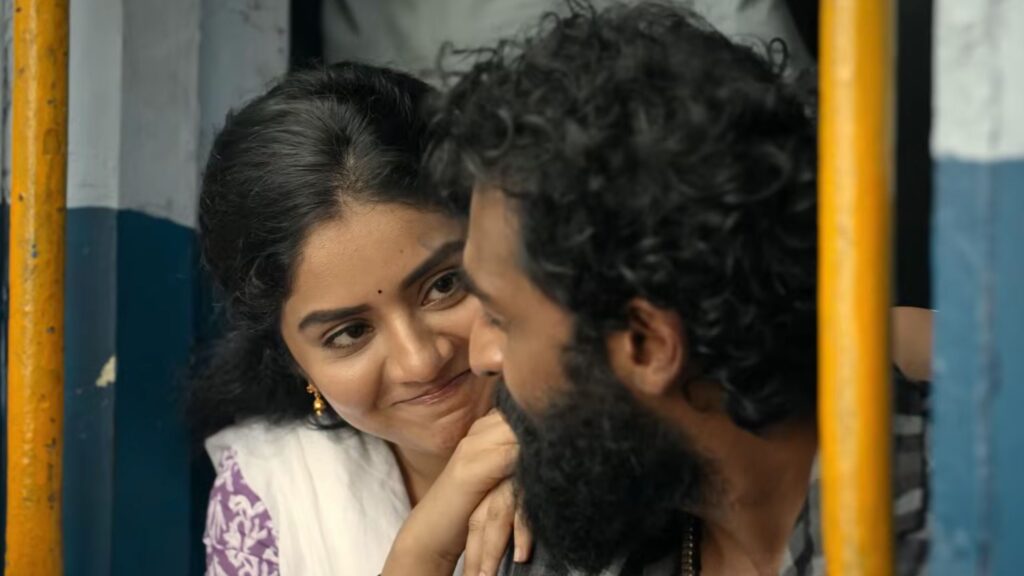
The love between Seena and Kusuma blossoms in a neat and quick manner. However, Seena’s dream of buying a tractor for cultivating his piece of land is shattered by Kari Bekku, who works for Sadananda Swami. As Seena’s temper rises, he wages a battle against Kari Bekku and eventually attacks Sadananda Swami as well.
The growing discontent among the characters reaches a boiling point, and Seena faces severe consequences. He is saved by his fiancée, Kusuma, but that is far from the end of the story.
As elections approach for Neat Naveena, the intense attacks and counterattacks push Seena to take an extreme step in exposing the corrupt practices of Sadananda Swami. There is much more to conclude in this 126-minute narration by Devanooru Chandru. It is better that you watch it unfold on the big screen.
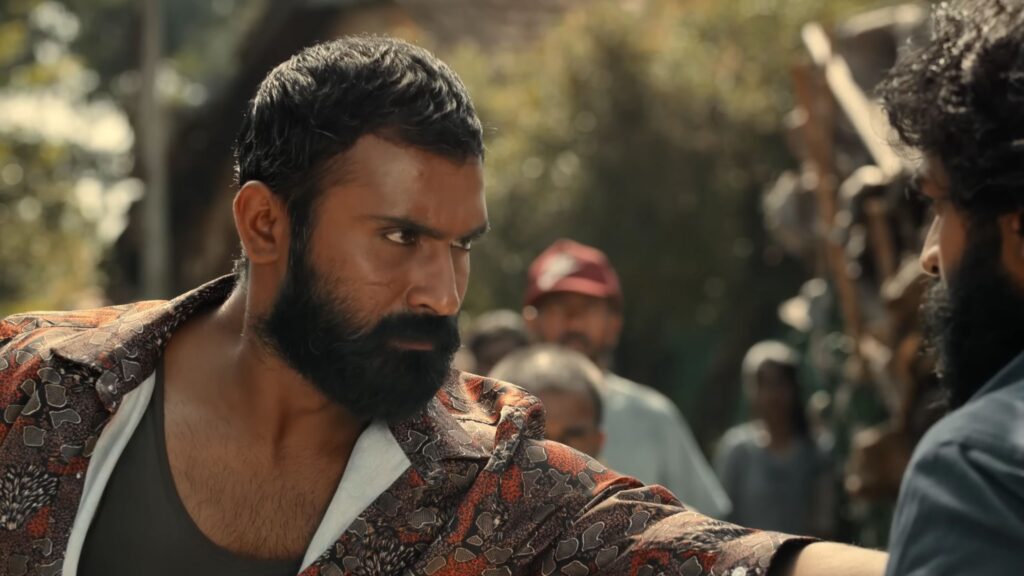
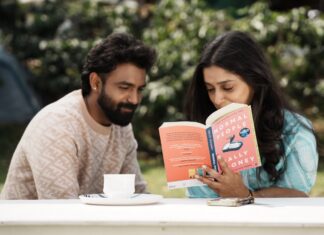
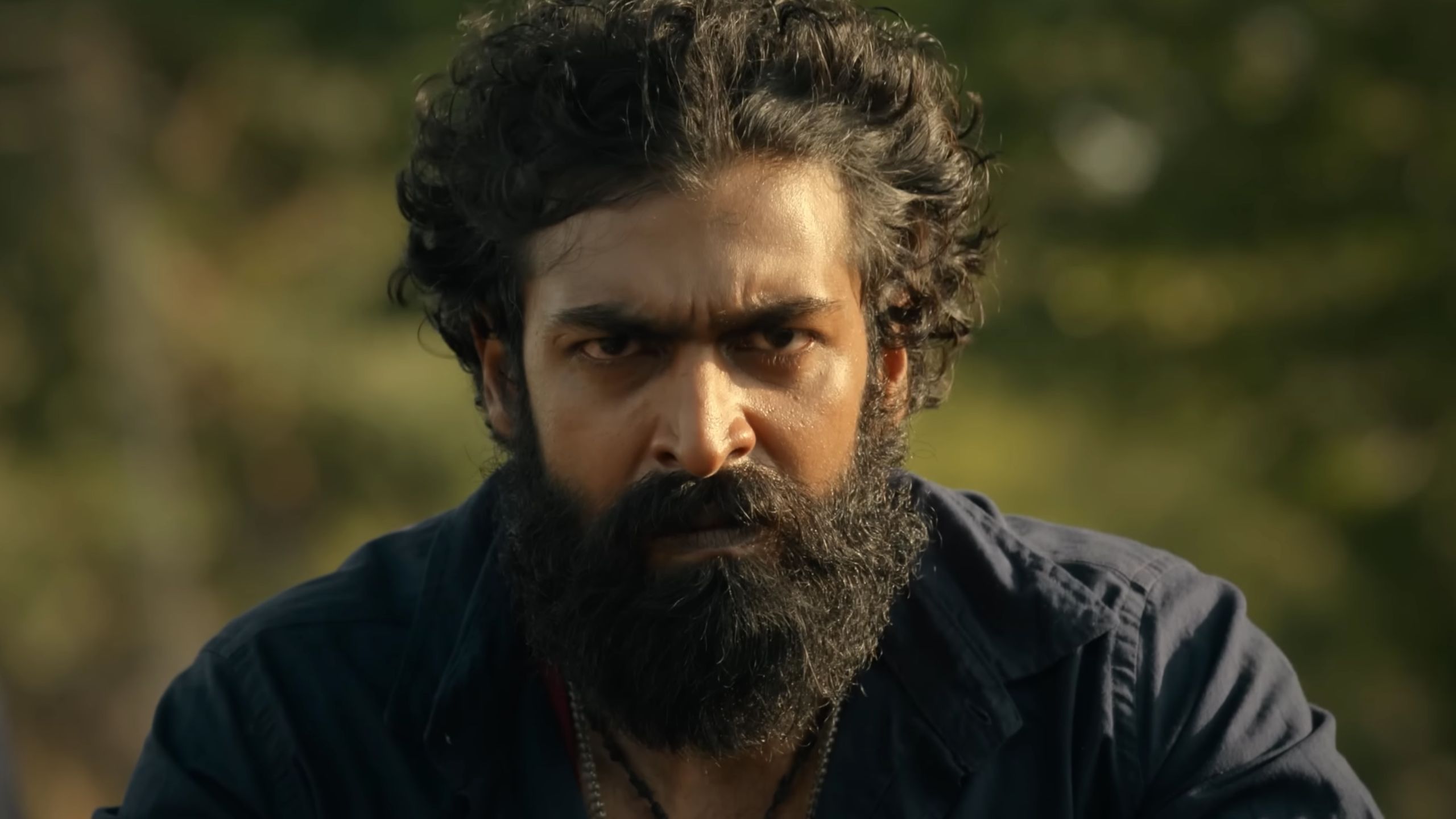
It is an award-worthy performance from Vinay Rajakumar and Megha Shetty. For the first time in his career, this ‘Dodmane Hudga,’ Vinay Rajakumar, has opened up freely, and at many places he proves that one has to bow down to art and immerse deeply in the character. In one particular situation, Vinay Rajakumar faces severe humiliation while dressed only in a nikkar and baniyan. Dr. Shankarappa (Achyuth Kumar) covers him with a lungi. Any other actor might have opted for a costume change, but Vinay Rajakumar remained true to his character. His forceful dialogue delivery, action sequences, and naughty moments with Megha Shetty are admirable.
Megha Shetty is a growing actress in Kannada cinema. She is choosing the right roles that suit her caliber, and her beauty is an added bonus to the characters she portrays. In Gramayana, she perfectly fulfills the requirements of her role.
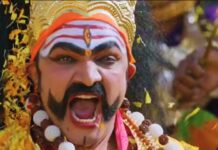
The next character who commands considerable attention is Gopalakrishna Deshpande. As the ‘Gulle Nari,’ he captures the audience’s attention every time he appears on screen.
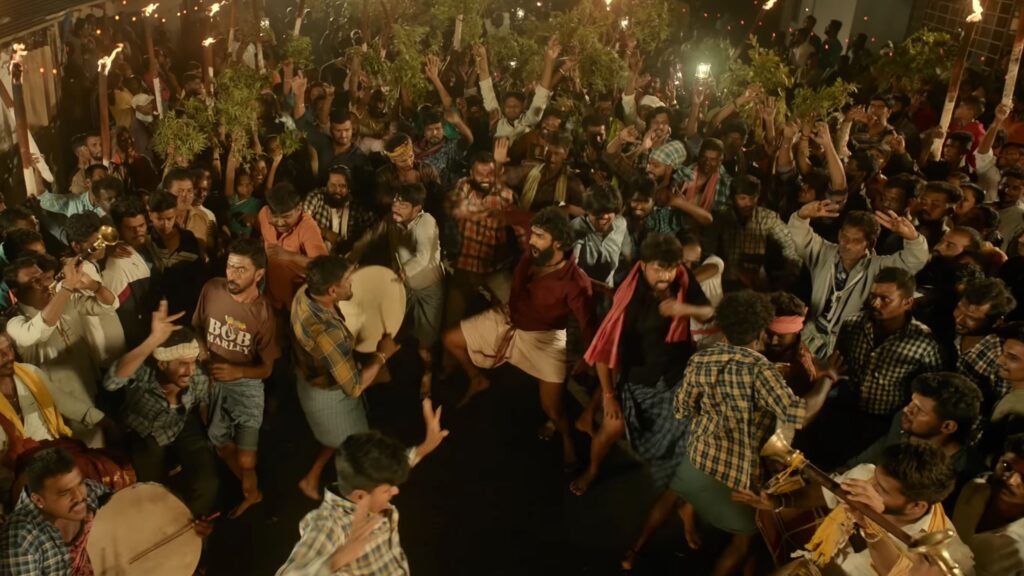
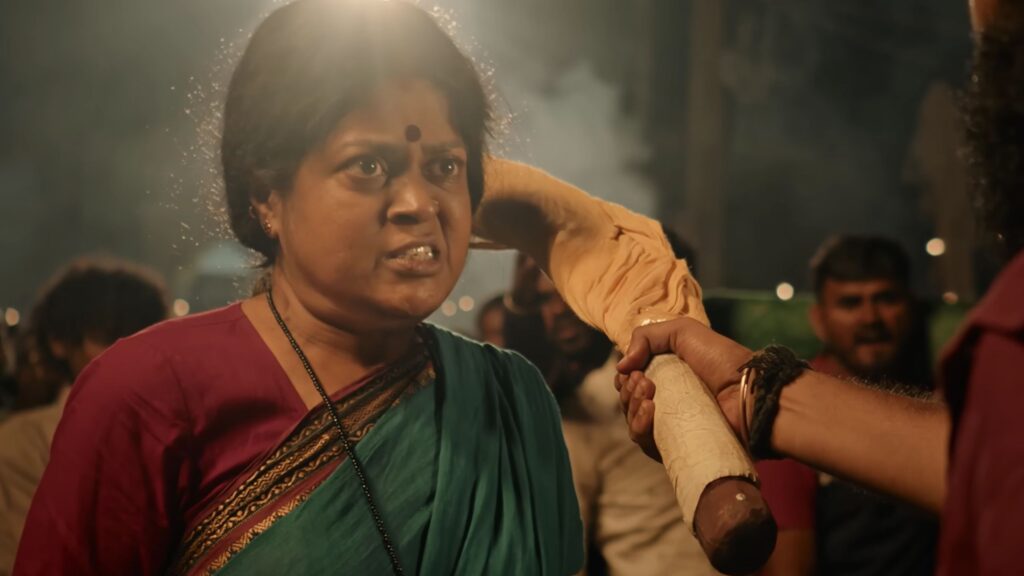
A jabardast role comes from the late Aparna Vasthare as Lakshmavva. Her dialogue delivery is also on a high note, and sadly, she is an actress the industry will deeply miss. Achyuth Kumar, as Dr. Shankarappa (a replica of the real-life Rs. 5 doctor), performs with his customary excellence.
Yogi, alias Loose Madha, has been given a gritty role, and he excels with an impressive character portrayal.As white in white politician Arun Sagar has given impressive performance.
The musical score by Poornachandra Tejaswi is exemplary. There are more than six songs with lovely lyrics, giving a fruit salad feel to the already full meal offered by the director. The songs “Thotti Mane Sunnad Gode,” the Baigula song, “Yavalo Ivalu Rockettu,” “Ene Helu Kusuma Kuntaru Nintaru,” the yesteryear classic “Ninnalli Naanu,” recomposed for this film, and the hard-hitting song on the downtrodden in society, “Shathamana Inda,” are all fine works from the music director.
Santosh Rai Pathaje creates a wonderful visual experience through his camerawork. There is nothing less and nothing more than what is required, as every frame is captured with precision and beauty.
All the main characters have beautifully written dialogues suited to their situations, once again showcasing the writing skill of director Devanooru Chandru. Vinay Rajakumar’s dialogue, “Circus Simha Beda, Nammuralli Naavu Huli Agi Badukona,” is particularly apt in the context of the brain drain among today’s youth. When films of this kind do not receive the right placement in theatres, there is something seriously wrong with the audience.
What more is required to satisfy both the brain and the heart?