



Title: Rudrabhishekam, Banner: Fan India, Producers: Manjunath KN, N Jayaramappa, K Venkatesh, B Chidananda Murthy, Suresh Babu, BK Ashwath Narayan, Shivakumar, KS Ravikumar, Kusuma Vasanth Kumar, Direction: Vasanth Kumar, Music: V Manohar, Cinematography: Mutturaj, Cast: Vijaya Raghavendra, Priyanka Thimmesh, Bala Rajwadi, V Manohar, Manu, Sanath, Bullet Vinu, Mamatha Thuruvekere, Navanitha Shetty, Manjula and others.
This is another Kannada film that follows a long and elaborate narrative, blending devotion, emotion and protection with elements of horror.
Rudrabhishekam has several nail-biting situations, without a doubt. However, at 162 minutes, the film would have benefited greatly from tighter editing. At least 30 minutes could have been trimmed to make the narrative more captivating. There are also a few situations that could have been conveyed effectively through dialogue instead of lengthy sequences. The elaborate scenes naturally consume considerable time and resources.
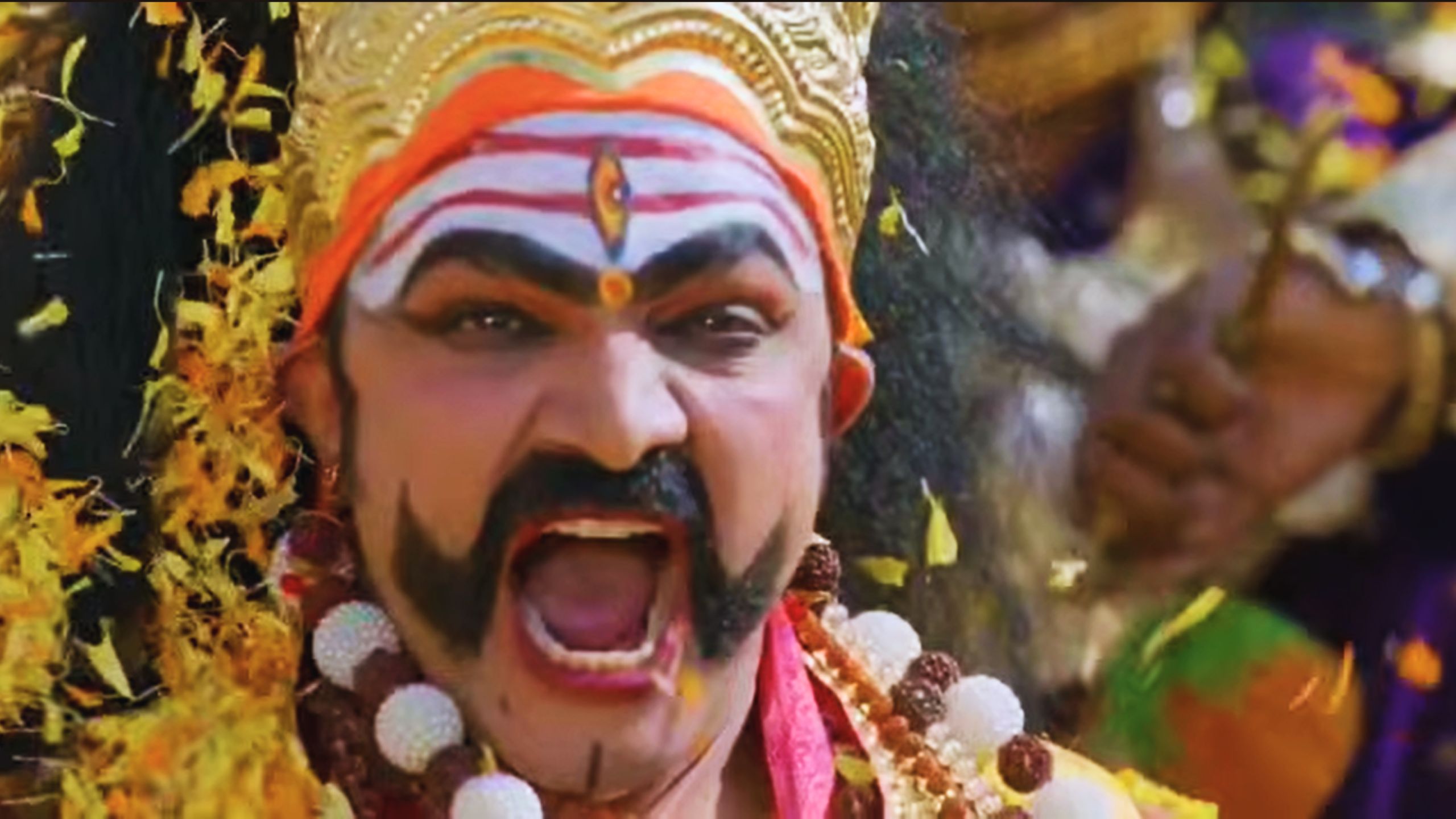
Rudrabhishekam claims to portray the traditional Veeragaase art form, but it does not provide a sufficiently compelling explanation of the art to the audience. The film touches upon the Veeragaase and Kunitha traditions associated with the Vijayanagara period. Shivarudramallaiah is entrusted with the responsibility of carrying the Veeragaase tradition forward for future generations.
To preserve this art form, precious ornaments are gifted by Sri Krishnadevaraya. These ornaments become the central issue in the present-day village of Benkipura, which is dominated by Byre Gowda and his son, Benki.
As a series of ominous events points towards the release of Lingaiah, who has been confined to a dark room for the past thirty years, the precious ornaments associated with Veeragaase come to the attention of Byre Gowda (Bala Rajwadi).
Veerabhadra (Vijaya Raghavendra), who was Basayya in his previous birth, arrives on the scene to protect the villagers of Benkipura from the atrocities committed by Byre Gowda.
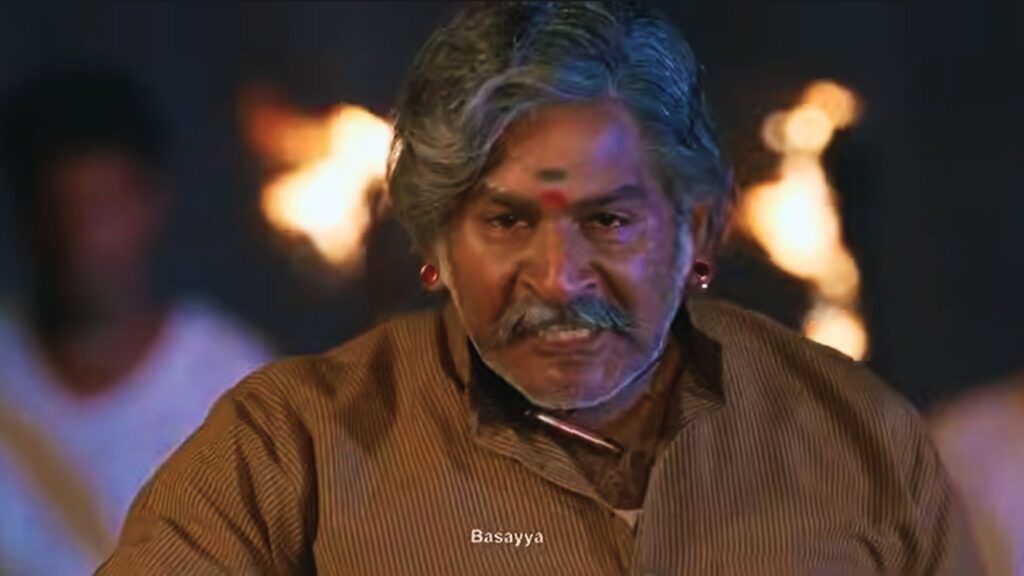
As Lingaiah narrates the events of the past, we learn that Basayya, also played by Vijaya Raghavendra, fought relentlessly to protect the precious ornaments belonging to Lord Veerabhadra Swamy. The story then moves forward thirty years, with Byre Gowda, the village chieftain, insisting that the ornaments be handed over to him, as his prestige is at stake.
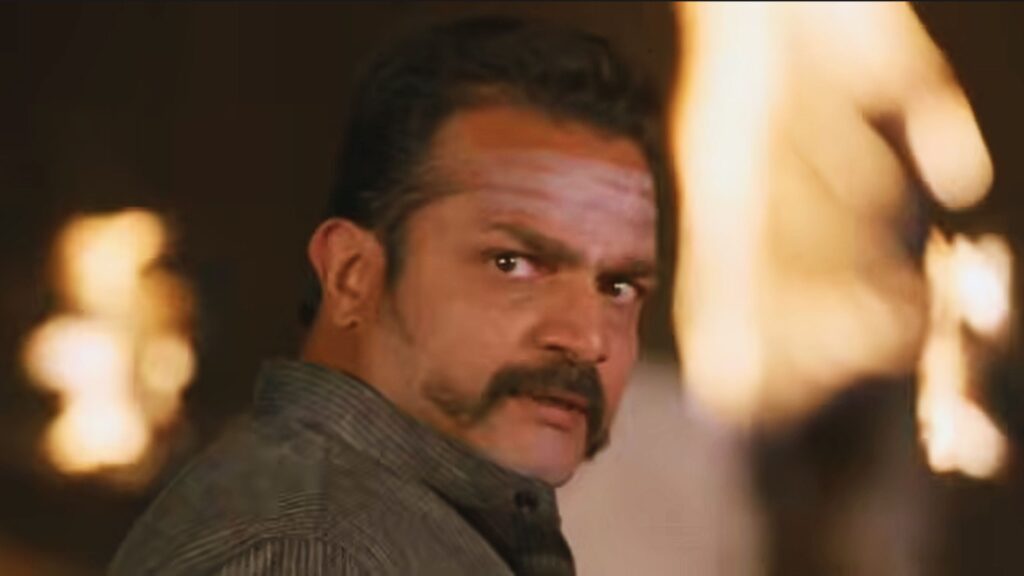
Veerabhadra strongly opposes Byre Gowda’s atrocities. Meanwhile, Poorva (Priyanka Thimmesh), who faces punishment and death, returns as a ghost seeking revenge against Byre Gowda’s son and his friends.
The final battle, which brings the story to its conclusion, is particularly interesting and unfolds against the backdrop of a Daksha Prajapati mythological drama.
Vijaya Raghavendra delivers a stunning performance as Basayya. As Veerabhadra, he is restrained, cool and convincing. Priyanka Thimmesh gives a tolerable performance.
Bala Rajwadi once again shines with a sterling performance as Byre Gowda. The character of Lingaiah is also admirable. V Manohar, as Byre Gowda’s Chela, attempts to imitate veteran actor Balakrishna, but the effort looks rather shoddy on screen.
The song “Indella Naale Masanada Oorige Payanisuve, Chinte Etake..” is powerful in its meaning and, in many ways, reflects a stark reality. “Hridayada Bagilanu…” is quite okay.
Rudrabhishekam is a well-made film that is likely to appeal particularly to serious film lovers who appreciate the style of cinema from an earlier era.