




When even the best intentions fail to receive justice, questions are bound to arise. And when those questions come from someone who has been wronged despite seeking fairness, they become impossible to ignore.
That is precisely the foundation on which Uttara is built.
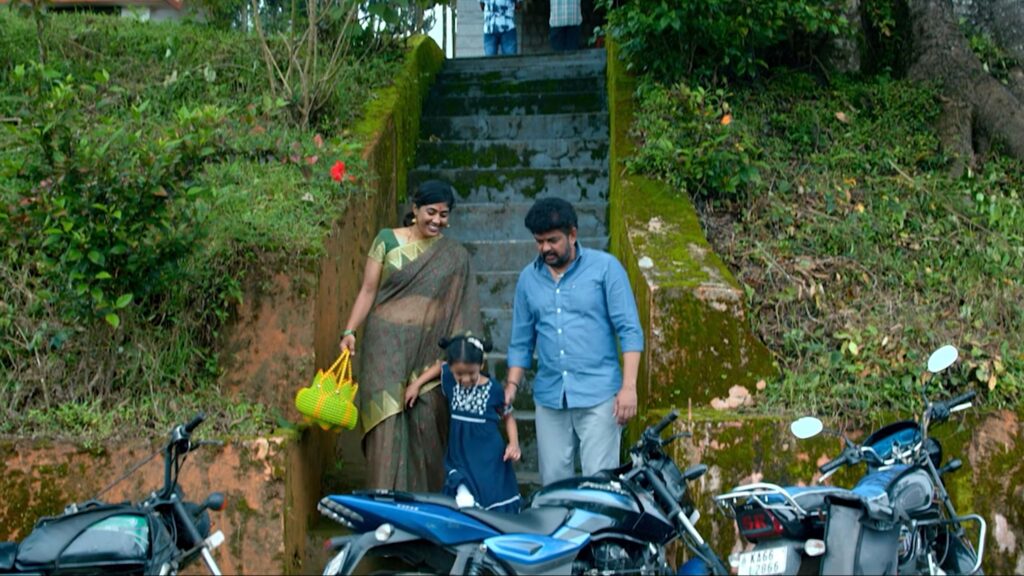
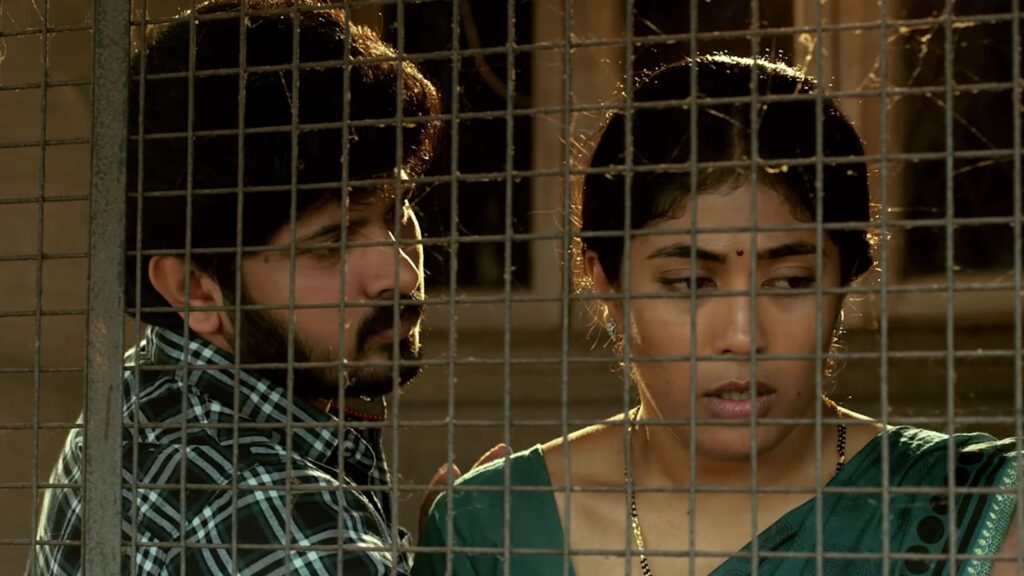
The film opens a window into a sensitive and increasingly relevant issue that many may hesitate to discuss openly. At the center of the story is a humble lorry driver, a hardworking family man whose life takes an unexpected turn when his marriage begins to fall apart. His wife, dissatisfied with her marital life, enters into an extramarital relationship while he spends most of his time away on the roads earning a livelihood.
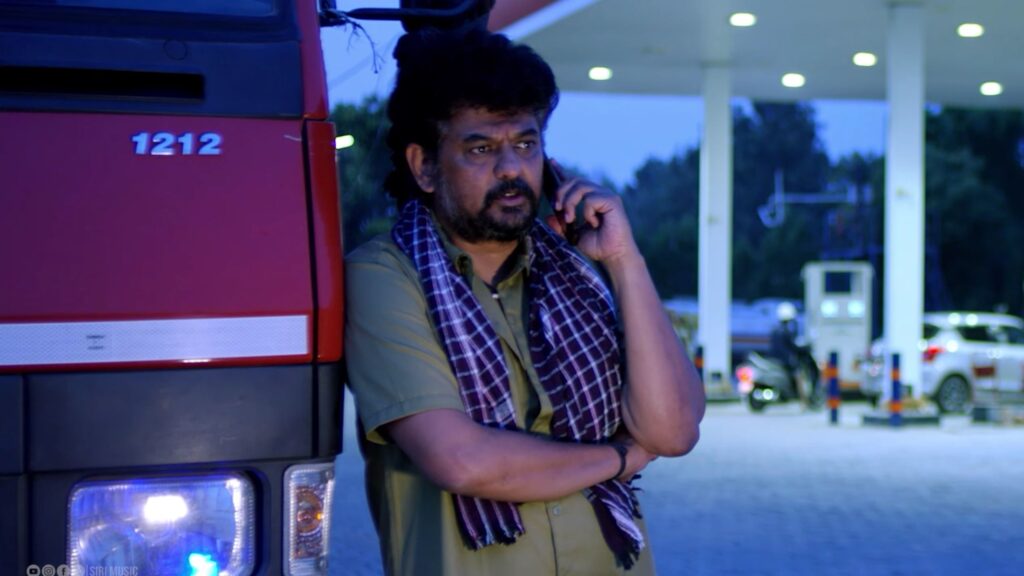
What follows is not merely a tale of marital discord but an exploration of justice, relationships, and the legal complexities surrounding family disputes. The husband does not seek revenge. His primary concern is to separate from his wife and secure custody of his child. However, what appears to be a straightforward case gradually transforms into a difficult legal battle.
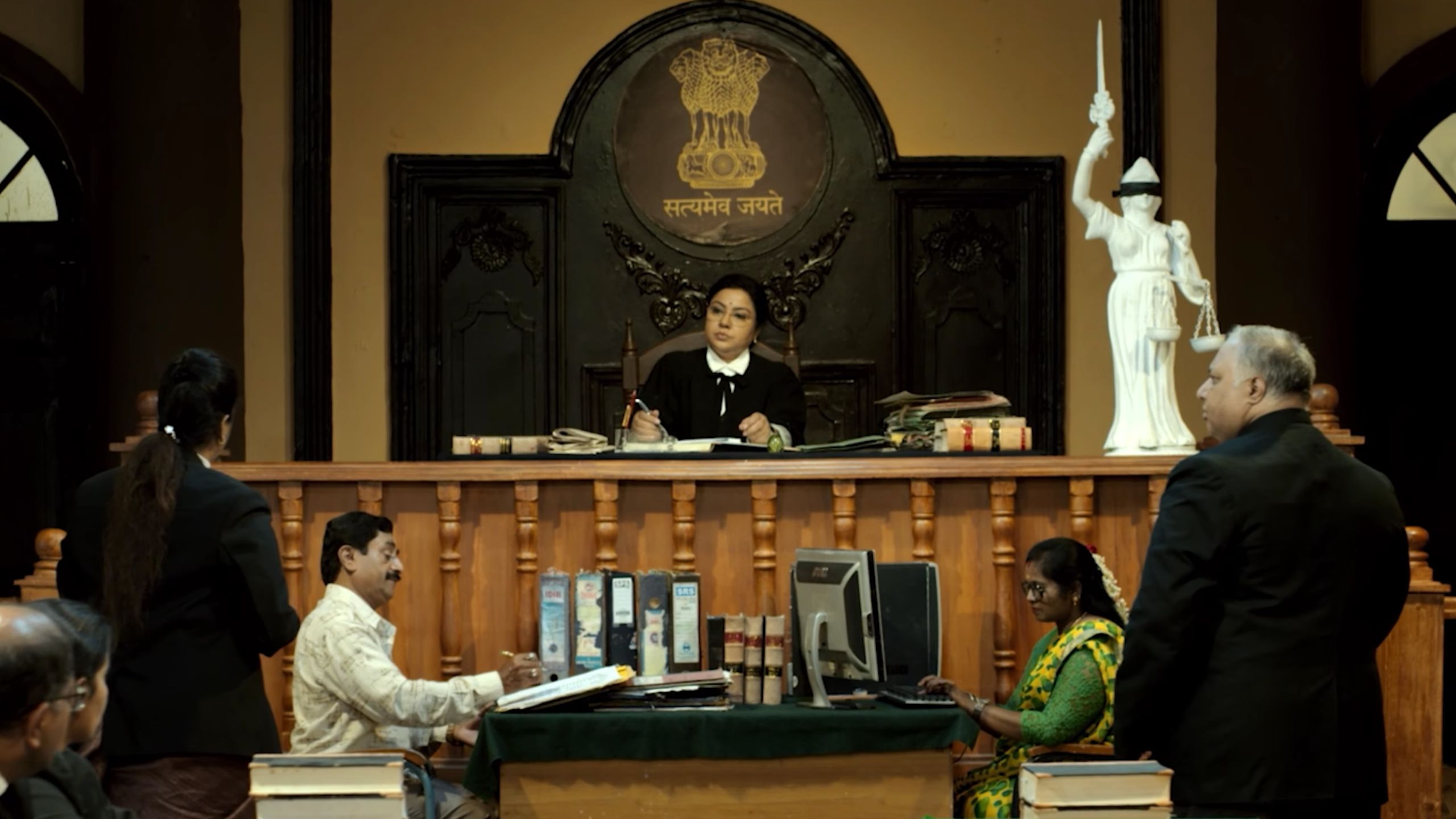
Armed with evidence he believes is irrefutable, the lorry driver expects justice to be on his side. Yet the courtroom proceedings reveal a different reality. Through arguments, counterarguments, and legal interpretations, the case takes unexpected turns, forcing both the protagonist and the audience to question where justice truly lies.
Director Dinesh Babu deserves appreciation for handling such a thought-provoking subject with maturity and restraint. Rather than sensationalizing the issue, he focuses on the emotional and legal consequences of broken trust. The film raises important questions about marriage, personal freedom, parental rights, and the challenges of balancing individual rights with fairness.
One of the film’s strengths is its willingness to provoke discussion rather than offer easy answers. The courtroom sequences become the backbone of the narrative, creating an engaging conflict between truth and justice. The film effectively highlights how legal battles often extend beyond facts and evidence into larger debates about rights and responsibilities.
Dinesh Babu’s research is evident throughout the screenplay. His understanding of legal procedures and family law lends credibility to the narrative, while cinematic liberties make complex legal concepts accessible to a wider audience. The result is a film that remains engaging while encouraging viewers to think beyond the immediate conflict.
Performance-wise, Narayanaswamy delivers a sincere portrayal of a helpless husband fighting for dignity and his child’s future. Sampreetha Alva brings depth to her role, portraying a woman burdened by her choices and their consequences. Tara Anuradha, as the presiding judge, leaves a lasting impression despite limited screen time. Her observations and questions resonate deeply and add weight to the film’s central themes.
Technically, the film benefits from Dinesh Babu’s accomplished cinematography. The visuals remain grounded and realistic, complementing the seriousness of the subject matter. While the narrative unfolds at a measured pace initially, it gathers momentum once the story enters the courtroom.
The most striking aspect of Uttara is that it neither preaches nor dictates conclusions. Instead, it challenges viewers to think. By the time the credits roll, the film may not provide definitive answers, but it succeeds in something perhaps more valuable—it encourages meaningful conversation. In an era when cinema often prioritizes entertainment over reflection, Uttara stands out as a relevant and thought-provoking film that engages with difficult questions and leaves audiences with much to consider.