





Title: BOSS, Banner: Siri Productions, Producer: Siri Productions, Story, Screenplay, Dialogues & Direction: V. Lava, Music: Davy Suresh, Cinematography: Sharath N.R. Pura, Cast: Tanush Shivanna, Vanditha Gowda, Payal Chengappa, Dr. Vijesh, Veeren Keshav, S. Shetty, Bhishma Ramaiah, Lakshman Poojary and others.
The much-anticipated Kannada film BOSS, inspired by the tragic chapter in the life of Kannada superstar and “Challenging Star” Darshan, has finally arrived on the silver screen. Handling such a sensitive subject is never easy, especially when the real-life case is still before the court. Director V. Lava has exercised considerable restraint, ensuring that the film avoids controversy while presenting a fictionalized version of the widely discussed incidents.
BOSS, starring Tanush Shivanna in the lead, closely mirrors the sequence of events that unfolded in June 2024. However, instead of portraying a film star, the protagonist is depicted as a celebrity associated with the cricketing world and serves as the ambassador of the fictional BCB team. This creative alteration helps distance the narrative from the real-life personality while retaining familiar references.
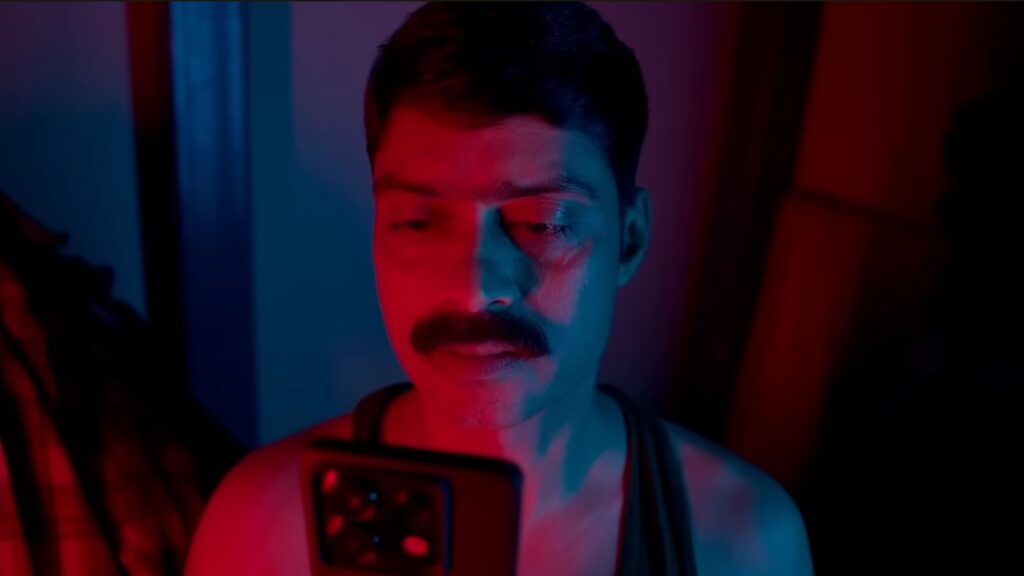
Director Lava, himself a lawyer by profession, has intelligently changed the names of the characters while keeping them phonetically similar to their real-life counterparts. More importantly, he refrains from drawing any conclusions about the actual case, respecting the fact that the matter remains sub judice. After the protagonist’s arrest, the narrative moves forward by a few years, portraying Boss as an MLA. Interestingly, the film completely avoids courtroom proceedings, making the storytelling both cautious and legally mindful.
One aspect that stands out is the portrayal of the protagonist’s charitable nature and positive public image. Those familiar with Darshan’s personal life will recognize several references to his well-known acts of kindness. This image-building exercise is likely to resonate strongly with his fan base and could become one of the film’s biggest strengths at the box office. In fact, BOSS appears to be primarily made for Darshan’s fans, who are likely to appreciate the emotional treatment and subtle references without the film directly interfering with the ongoing legal proceedings.
Many of the incidents depicted have already been extensively covered by newspapers and television channels. However, presenting them in a cinematic format offers a different perspective and demonstrates the filmmaker’s concern in documenting a chapter that has generated immense public attention. With a runtime of 122 minutes and only 12 cuts from the censor board, BOSS stands out as a bold and unusual attempt. The concluding moments also hint at the possibility of a sequel.
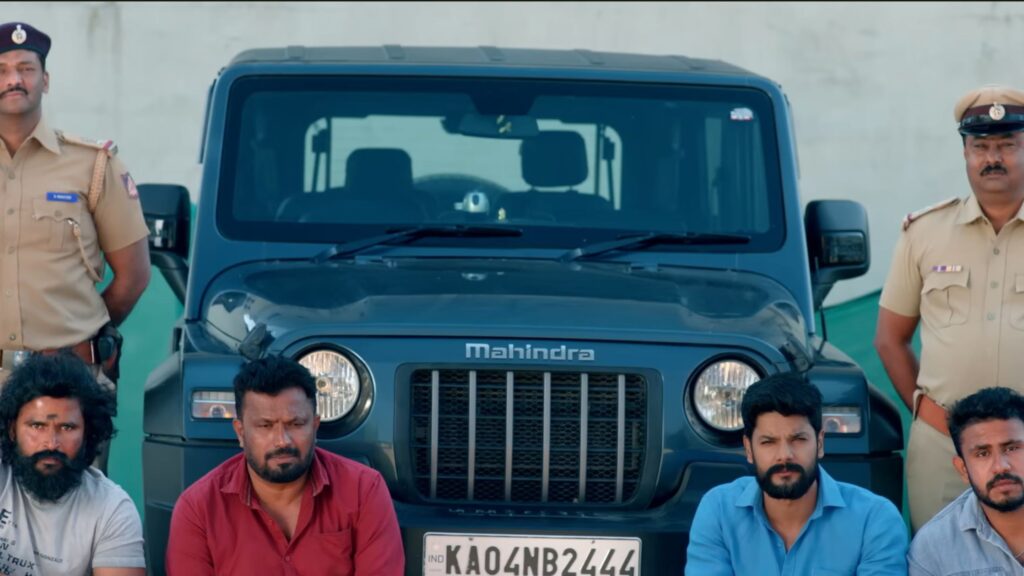
Tanush Shivanna delivers an impressive performance in the title role. His body language, dialogue delivery, screen presence and overall style closely resemble the personality that inspired the character. Even his physical appearance and height contribute to the authenticity of the portrayal.
Vanditha Gowda, playing Monika—a character inspired by Pavithra—comes as a pleasant surprise. Her resemblance and performance are remarkably convincing. Similarly, Payal Chengappa, portraying the Vijayasri-inspired character, leaves a notable impression with her look and performance.
Sharath N.R. Pura’s cinematography, dominated by night-time visuals, effectively creates the desired mood and tension. Davy Suresh’s background score complements the narrative well, while the situational song lingers in the mind even after the film ends.
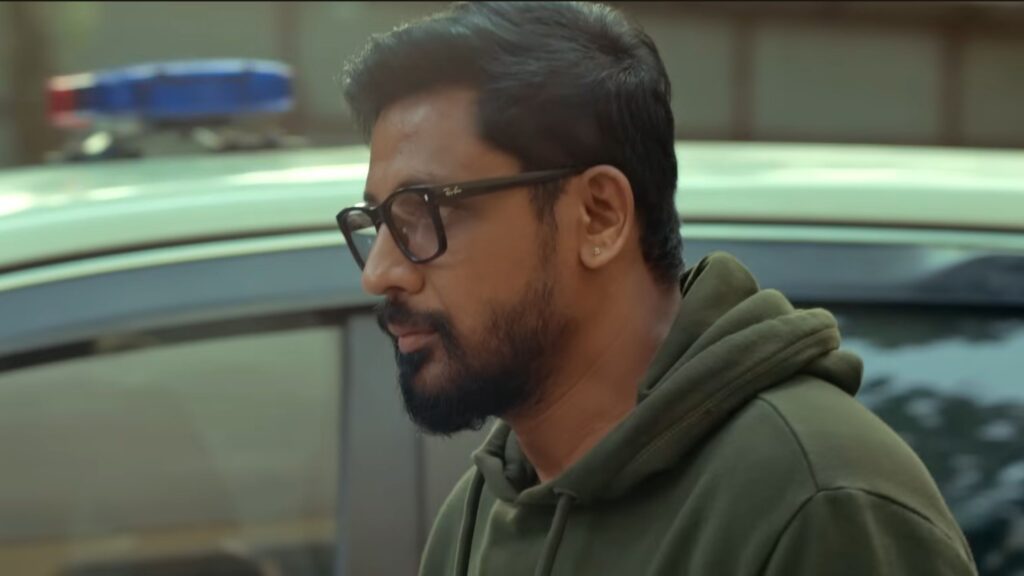
Unlike several high-profile real-life incidents that have taken years to reach the big screen, BOSS has been made and released with remarkable speed. Despite drawing inspiration from recent events, the film carefully balances cinematic storytelling with legal sensitivity.
Several aspects of the narrative are particularly striking and are best experienced while watching the film. The film also touches upon the influence of political and police power surrounding the case—an area that remains largely speculative in public discourse. Without making definitive claims, the narrative presents these elements in a manner that encourages viewers to interpret them on their own.
Overall, BOSS is a daring cinematic effort that attempts to recreate one of the most talked-about episodes in recent Kannada entertainment history. Rather than functioning as a verdict on the real-life case, it presents a dramatized interpretation designed to engage audiences while remaining within legal and narrative boundaries. For Darshan’s admirers, the film offers an emotionally satisfying experience; for general audiences, it remains an intriguing attempt at adapting contemporary events into mainstream cinema.