



When Namit Malhotra, an internationally recognized name in animation and visual effects, announced his ambitious adaptation of the Ramayana in collaboration with Dangal director Nitesh Tiwari, expectations were naturally high. With Ranbir Kapoor as Rama, Sai Pallavi as Sita and Yash as Ravana, alongside a musical collaboration between A.R. Rahman and Hans Zimmer, known for acclaimed films such as Inception, Interstellar, The Dark Knight and Dune, the project generated immense anticipation.
The Ramayana is a story deeply embedded in the cultural consciousness of Indians, passed down through generations. This adaptation approaches the familiar epic with contemporary technology, an expansive cinematic vision and remarkable grandeur. While it retains the essence of the original narrative, the makers have taken creative liberties, introducing fictional elements and reinterpretations that distinguish it from conventional retellings.
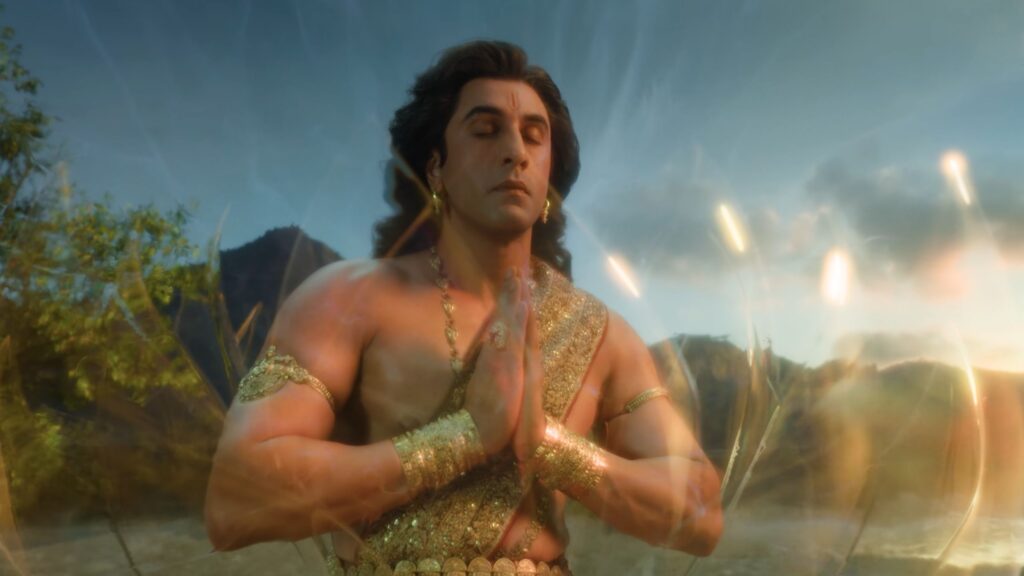
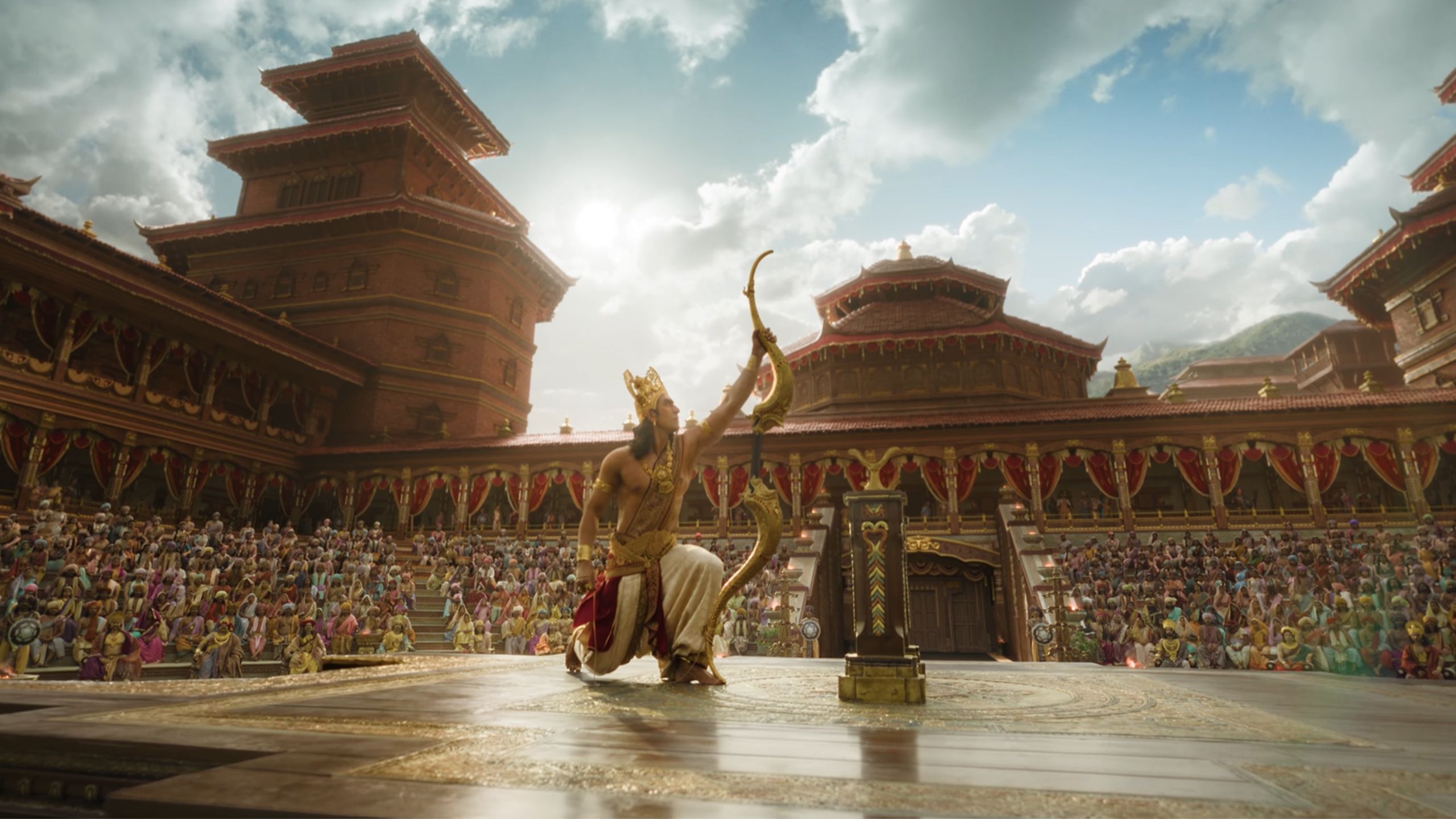
The film begins by exploring Ravana’s origins and his rise to become one of the most powerful beings in the universe. Determined to establish the supremacy of the Asura clan, he expands his dominion while the Devas suffer under his growing influence. To restore balance, Lord Vishnu incarnates as Rama, the son of King Dasharatha of the Ikshvaku dynasty. The narrative follows Rama’s birth, education, marriage to Sita at the Swayamvara and the circumstances leading to his exile alongside Sita and Lakshmana on the eve of his coronation. Their life in the forest and the eventual abduction of Sita form the central events of the first installment.
The film’s greatest strength is undoubtedly its visual presentation. The sheer scale of the production, intricately designed environments and elaborate visual effects bring an extraordinary cinematic world to life. The technical craftsmanship is impressive, making this an experience best witnessed on the big screen.
The performances further elevate the film, particularly those of its three principal actors. Ranbir Kapoor brings restraint and dignity to Rama, portraying the character with composure while allowing moments of vulnerability to emerge. His performance is particularly powerful in the pre-climax and climax, where Rama’s transformation from emotional vulnerability to unwavering strength is captured with remarkable intensity. The shift in his expressions and demeanour makes these sequences especially impactful.
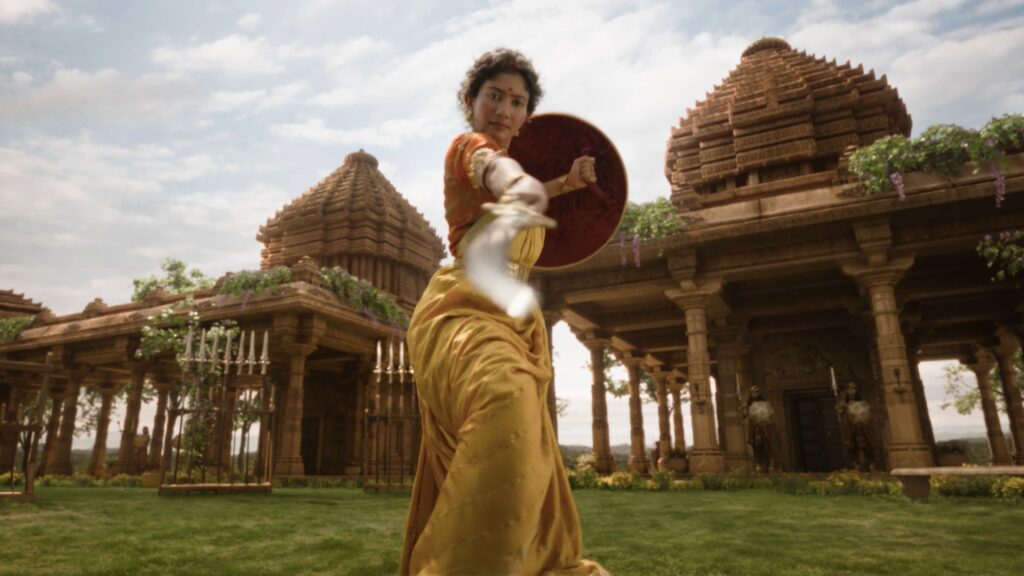
Sai Pallavi delivers a compelling performance as Sita, beautifully balancing the character’s gentleness with her inner strength. She brings warmth to the quieter moments while displaying conviction and courage when required. The decision to portray Sita as someone who can fight alongside Rama and Lakshmana, rather than merely as a princess in distress, is a welcome addition. Sai Pallavi brings both dimensions to life with remarkable ease.
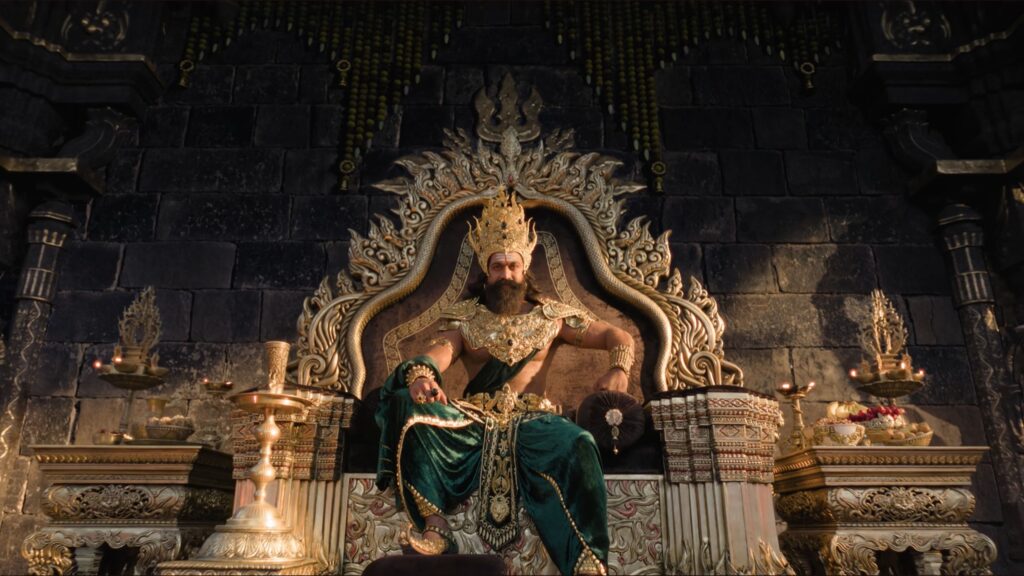
Yash, meanwhile, commands attention every time he appears on screen. Completely immersed in the character, he brings an imposing presence to Ravana, capturing his arrogance, ambition and formidable power. His fierce expressions, commanding dialogue delivery and powerful roars establish the character’s dominance, making him one of the film’s most compelling attractions.
The supporting cast is equally well chosen. Arun Govil, who famously portrayed Rama in the popular television adaptation of the Ramayana, appears as Dasharatha. Indira Krishnan as Kausalya, Lara Dutta as Kaikeyi, Shobana as Kaikesi, Kunal Kapoor as Indra, Vivek Oberoi as Vidyutjiva, Rakul Preet Singh as Surpanakha and Ravi Dubey as Lakshmana contribute effectively to the narrative.
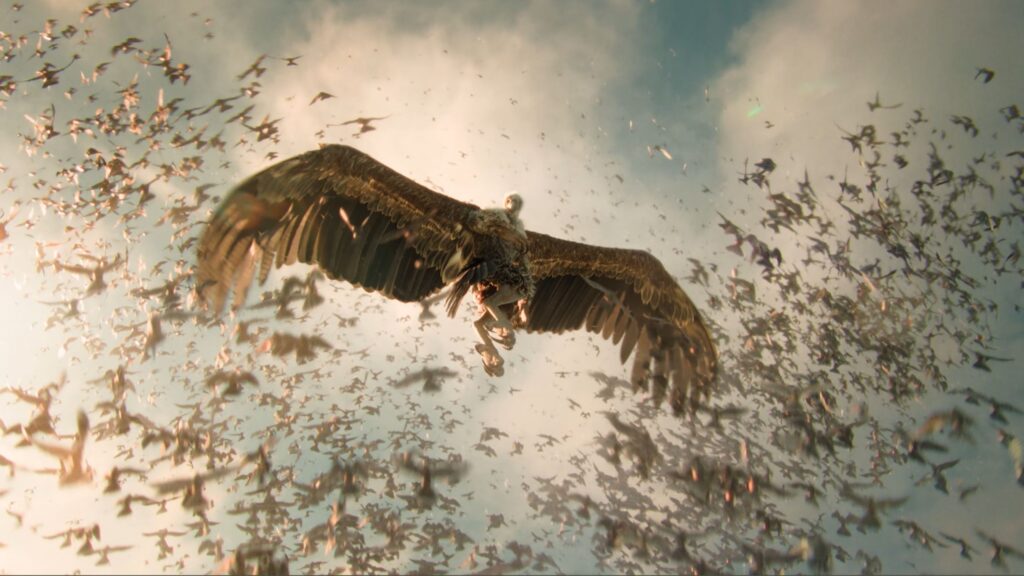
Among the film’s noteworthy additions is Jatayu, the king of birds, voiced by Anupam Kher. Despite being an animated character, Jatayu carries a remarkable presence. Establishing his bond with Rama much earlier in the narrative lends greater emotional significance to his eventual confrontation with Ravana, strengthening the impact of the climax.
However, despite its many accomplishments, the film does not consistently deliver the emotional resonance that a story of this magnitude demands. Certain familiar moments that carry considerable emotional weight do not achieve their intended impact. The meeting between Rama and Bharata in the forest, for instance, lacks the intensity one would expect. Similarly, the relationship between Rama and Sita could have benefited from greater emotional intimacy. Some of Rama’s dialogues also lack the gravitas required to elevate the defining moments of the narrative.
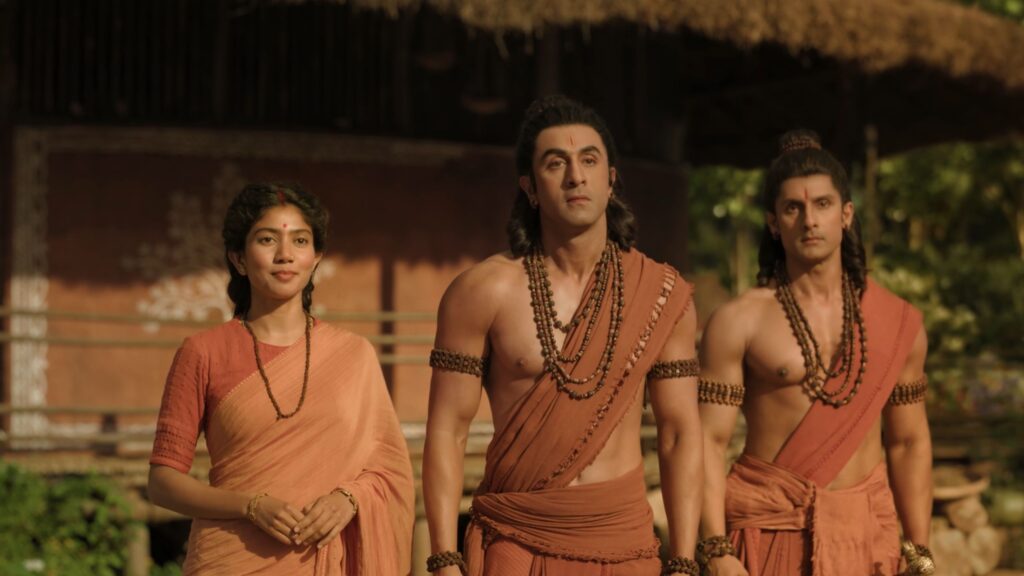
Adapting an epic as deeply rooted in cultural memory as the Ramayana is an enormous responsibility. Every generation carries its own imagination of these characters and events, making it difficult for any interpretation to satisfy every expectation. Nevertheless, Namit Malhotra’s ambitious vision has much to offer. While the film occasionally falls short emotionally, its visual spectacle, strong performances and thoughtful reinterpretations make it a worthwhile theatrical experience. The Ramayana is as much an emotion as it is an epic, and this retelling leaves audiences with much to anticipate in its next installment.