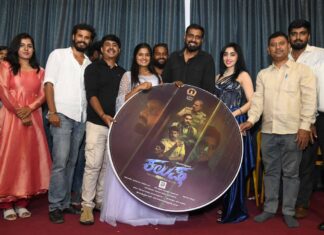




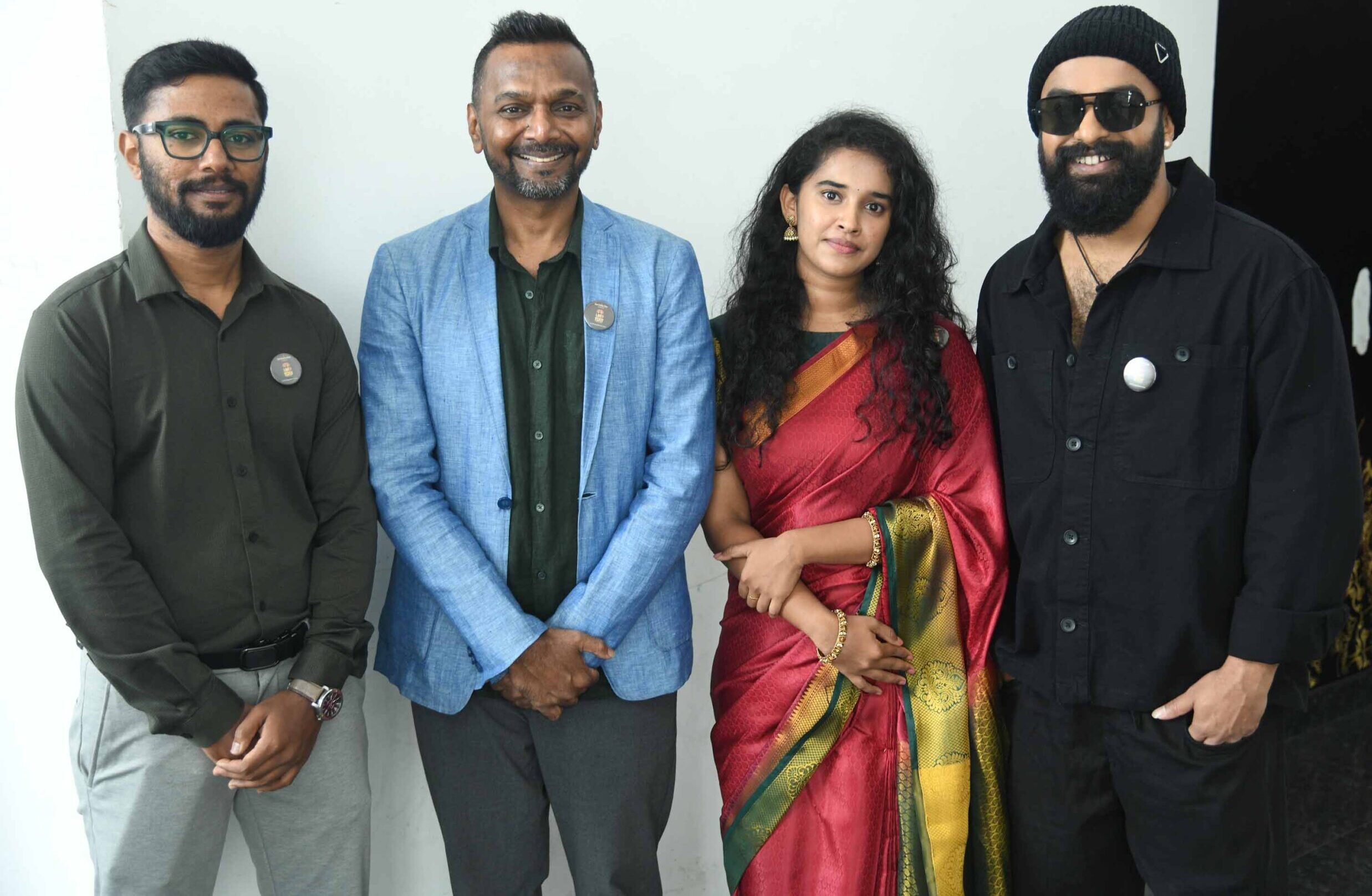
A film that dares to challenge convention must first capture the audience’s imagination. With Lord Gaaga, the team behind Zero Gravity Films is attempting just that, positioning its debut venture as a cult romantic thriller with psychological undertones.
Described by its makers as the “purest form of ego available”, Lord Gaaga is born out of madness, ambition and an uncompromising creative vision. Its central idea explores the thin line between madness and greatness, blending romance, psychological drama and suspense through a nonlinear narrative.
Produced by Mukhi Raghunathan, who also plays the protagonist, the film is built around a simple philosophy: “Attention is the currency of greater cinema.” The project has taken nearly 18 months to develop, with the makers insisting that audience engagement, rather than commercial scale alone, is the ultimate measure of success.
The film’s journey has been equally demanding. Nearly four-and-a-half hours of footage was initially shot before being edited down to approximately two hours. Production began in Gokarna on April 7, but rain-related delays cost the team nearly a month. The subsequent schedule continued for around 80 days, with the overall investment estimated at ₹4.5 crore.
Mukhi Raghunathan: From design to cinema
A designer with 34 years of experience, Mukhi Raghunathan brings a diverse creative background to filmmaking. His professional journey spans the 1996 era, and he has worked closely with personalities such as Puneeth Rajkumar, Girish Karnad and Kamal Haasan. He currently manages five companies and has expanded into animation and other creative ventures.
His journey has not been without setbacks. Mukhi recalls failing his Class 12 examinations five times, an experience that stands in striking contrast to his subsequent professional achievements. Today, his varied experiences inform his approach to storytelling, design and cinema.
“We cannot cheat the audience”
Audience feedback has played a significant role in shaping Lord Gaaga. According to Mukhi, the film was presented to around 3,500 people through focus-group exercises, with AI-assisted feedback helping the team assess audience responses and refine the screenplay.
Technology, he emphasises, was intended to strengthen the creative process, not replace it. The guiding principle remained clear: “We cannot cheat the audience.”
The film’s ego-centric narrative examines how a single decision can alter the course of a character’s life, blurring the boundaries between psychological conflict, ambition and emotional vulnerability.
YK’s unconventional vision
Written and directed by YK, Lord Gaaga seeks to create an entirely new cinematic world rather than follow a conventional storytelling template. The screenplay underwent numerous revisions, with YK Sunil Kumar, known for directing Gilli, also involved in its development.
The result is envisioned as a nonlinear psychological thriller with a romantic core, where seemingly disconnected moments gradually acquire meaning. The intention is to draw audiences into the characters’ world and allow them to experience its complexities from within.
The appeal of unconventional characters
The film also explores the idea of “character-less characters”, using layered personalities and unexpected narrative turns to challenge conventional perceptions. The makers deliberately sought performers without strongly established screen images, allowing the characters to take precedence over star personas.
Interestingly, a director associated with an unfinished project who was also interested in acting reportedly went through around 45 scripts before finding Lord Gaaga compelling enough to make an impression.
Disha’s significant role
Disha plays an important role in the film, with a character arc that adds emotional depth and psychological complexity to the narrative. Animation and visual design are also central to the production, reflecting Mukhi’s longstanding expertise in design.
With its blend of romance, psychological drama, suspense and experimental storytelling, Lord Gaaga is attempting to establish an identity of its own.
For a team that sees cinema as a meeting point between madness and greatness, the ultimate challenge is clear: to transform an unconventional creative gamble into an experience that stays with audiences long after the film ends.