




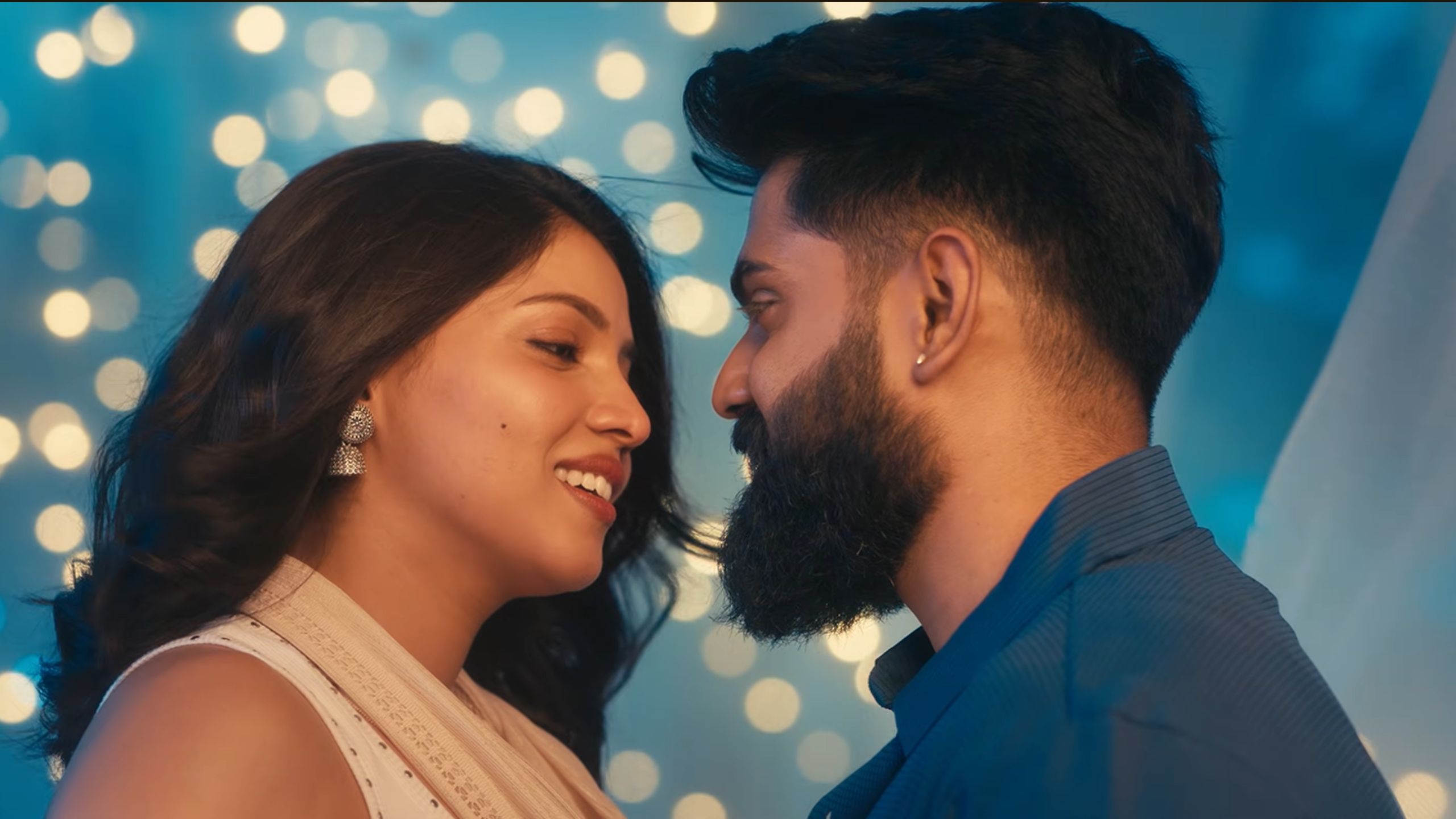
Title: Nee Nange Allava, Producer: Jayaram Devasamudram, Production House: Suram Movies, Writer and Director: Manoj P. Nadalumane, Cinematography: Uday Leela, Music: Suraj Jois, Cast: Rahul Arcot, Kaashima, Ravi Prakash, Aarathi Padubidri, Rohith Bhanuprakash, Vinod Bharathi, Giri Shivanna and others.
Despite the producer’s generous support, director Manoj P. Nadalumane could have done better homework on the first half of Nee Nange Allava. However, he has a meaningful, touching and thought-provoking second half to his credit. The director’s energy and concern come into sharp focus in the latter half, which not only makes for interesting viewing but also serves as an alarm bell for society.
The first half needed more novelty and some stronger inputs, particularly in the characterization of the hero, to sustain audience interest. Nevertheless, the visual appeal, musical richness and impressive cinematography help lift the proceedings.
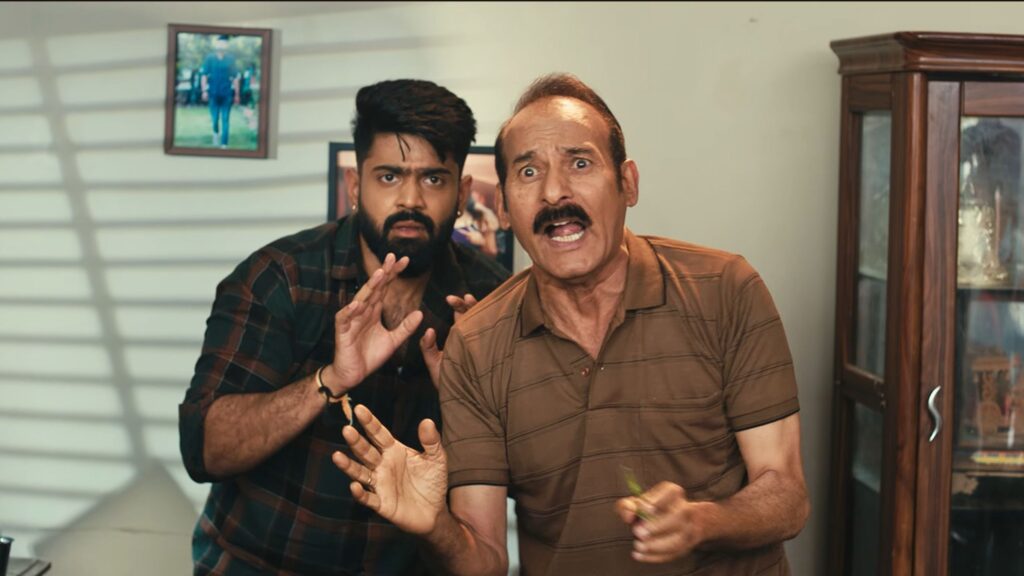
The story revolves around an easy-going youngster, Lucky, alias Arjun (Rahul Arcot), who falls in love with Kushi (Kaashima), a singer who also works in the IT sector. Lucky is a carefree freeloader, thanks to his caring and supportive father (Manjunath Hegde), and spends most of his time with friends. His attempt to launch an application called ‘Love and Care’ fails to take off. However, he is deeply concerned about Kushi, who affectionately, though teasingly, calls him ‘Chappar’ for constantly running around her.
Though Lucky gradually becomes more serious about life, he is also drawn into an issue involving his sister Ashu and her fiancé Sharath. Ashu makes the right choice in selecting Sharath (Rohit Bhanuprakash), an IT professional, as her life partner. After a few routine developments, things seem to fall into place. But it is the post-interval portion that takes the film to a completely different level, particularly when Sharath and Kushi, who work for the same company, encounter a horrifying situation while returning from a wedding.
The extreme affection Lucky has for Kushi makes the trauma she undergoes deeply disturbing for him. The film then explores how social media, even in remote locations, can be misused for sinister purposes. The revelation that even the police are involved in such nefarious activities is particularly shocking. It leaves us wondering about the direction in which society is heading.
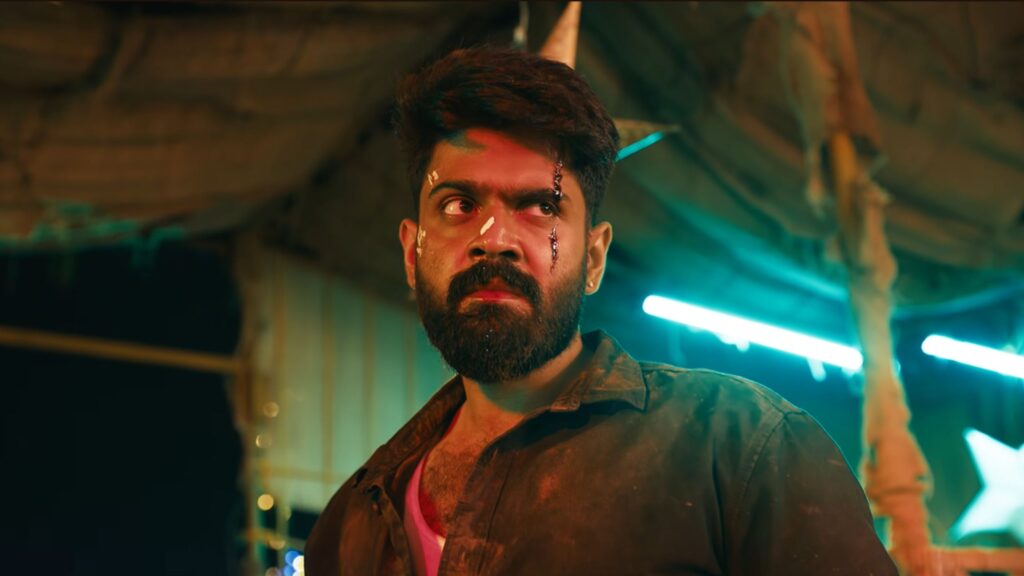
With the support of his friends, Lucky ventures into a remote place called ‘Daba’, where the atrocities against Kushi and Sharath take place, determined to settle scores. What follows forms the rest of the gripping narrative and is best experienced on the silver screen.
Rahul Arcot looks good and understands his character well, delivering a natural performance with ease. His decision to distance himself from Kushi for a while, when his self-respect is hurt, is something that many youngsters of his age can relate to. Kaashima gets ample scope to demonstrate her acting abilities, particularly in the second half, and fits the heroine’s role perfectly.
Veteran actor Manjunath Hegde is convincing and impressive as Lucky’s father. Rohith Bhanuprakash, Aarathi Padubidri, Girish Shivanna and Vinod Bharathi also deliver solid performances.
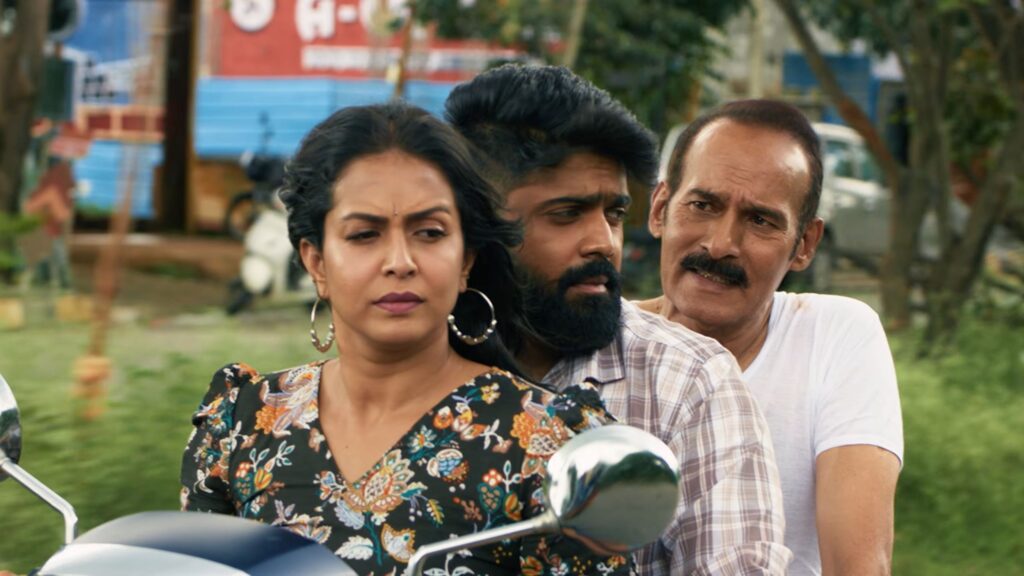
In its runtime of 131 minutes and 19 seconds, Nee Nange Allava offers two additional bonuses to producer Jayaram Devasamudra’s Suram Movies – the music of Suraj Jois and the cinematography of Uday Leela.
Suraj Jois comes up with three melodious compositions. ‘Morning Nalli Kannada Red Suryananthe’ and ‘Malebandu Ninta Mele Kamanabillu Nee Nange Allava’ are particularly appealing and are complemented by their visual presentation. However, the song featuring director Manoj was quite unnecessary and could easily have been avoided.
Uday Leela’s cinematography is one of the film’s major strengths. His excellent use of lighting and carefully composed frames provide a visual treat and make the proceedings pleasing to the eye.
Nee Nange Allava is a carefully crafted film with a strong social concern at its core. Though the first half could have been more engaging, the absorbing second half makes a significant impact with its relevant subject and disturbing realities.
Kudos to producer Jayaram Devasamudra of Suram Movies for backing a topical film that carries a strong social message.