




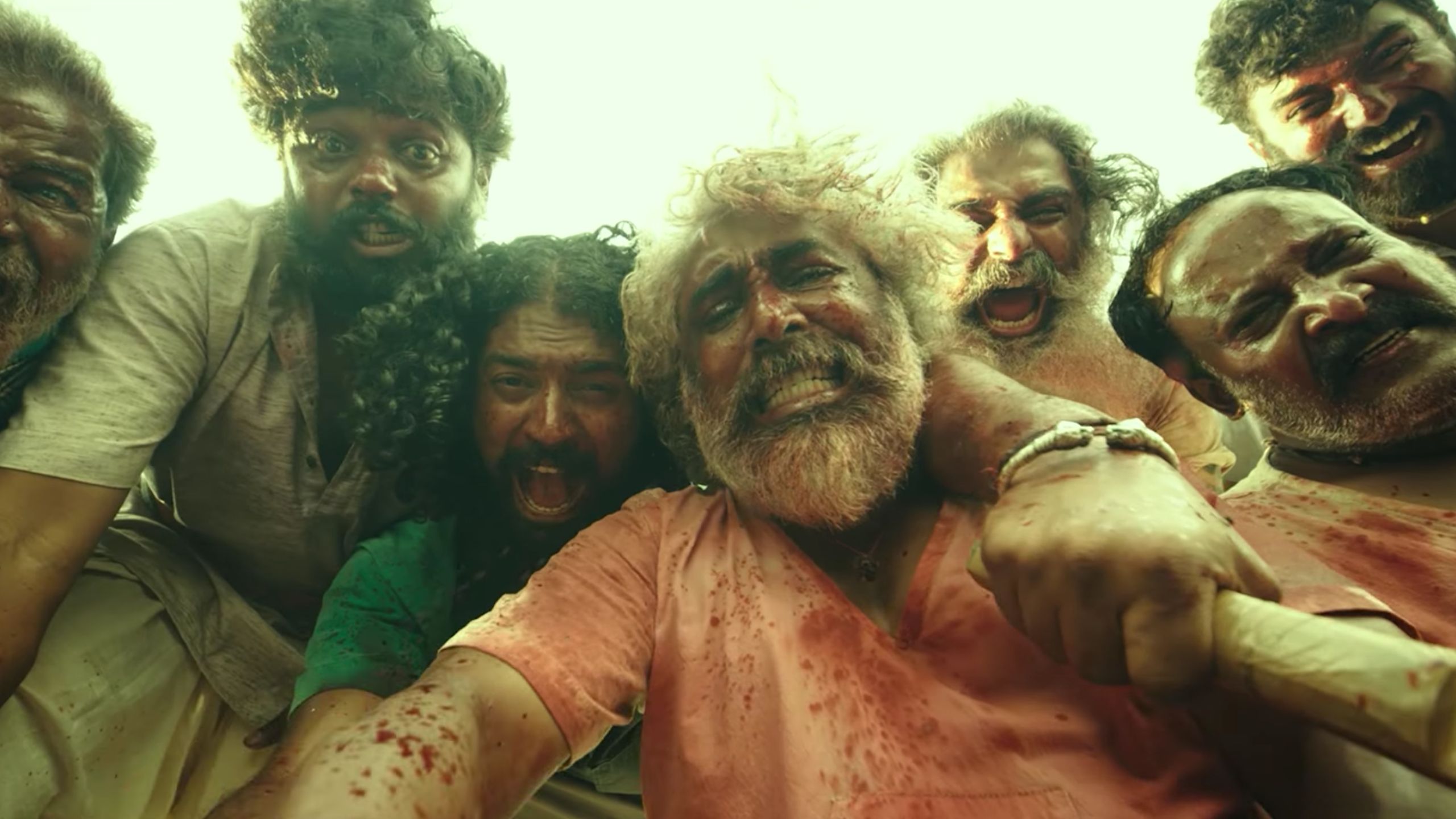
Title: Gangs of UK, Producer: Ranganatha Ravindranath, Banner: Deadly Arts, Director: Ravi Srivatsa, Cinematography: R. Giri, Music: V. Sukumar, Cast: Orata Prashanth, Padma Vasanthi, Srinagara Muni, Sonu Upadhyaya, Jyothi Shetty, Ugram Reddy, Sathya, Dillon, Kote Prabhakar, Naveen, Prajwal Maski, Amogh (son of KV Raju), Umesh, Vikas, Balakrishna, Tankasale Umesh, Mahantesh Hullur, and others.
The stormy petrel Ravi Srivatsa remains unchanged in the way he addresses issues in his films. Blood flows like a fountain, violence dominates every frame, and sickles, hard-hitting dialogues, grotesque characters, and brutal physical assaults define his cinematic language. With a dark backdrop throughout, the film pushes crudity and violence to extreme levels.
Ravi Srivatsa is undoubtedly an intelligent writer and director. Ravi Srivatsa is no doubt an intelligent writer and director but why this ‘Chandi Hata’ to give answer for violence from violence is the question erupts in mind. Indian cinema has evolved, and films like Dhurandhar have succeeded with high levels of brutality. But does that justify creating such an environment in a land associated with Gandhi, Buddha, and Sanatana Dharma? Ravi Srivatsa seems to strictly follow the ancient Babylonian principle—“an eye for an eye, a tooth for a tooth.”
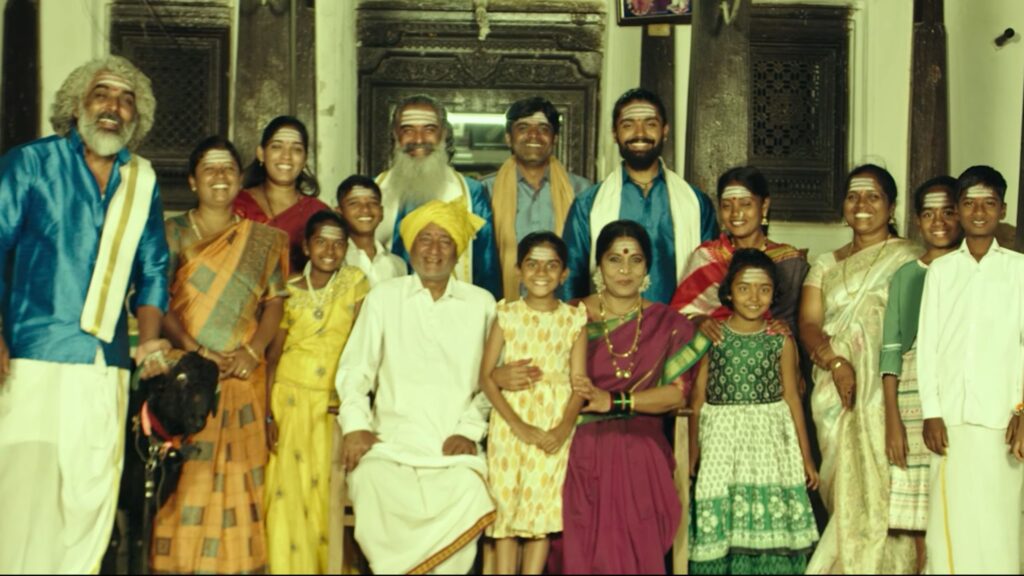
Backed by another intense writer-director, M.S. Ramesh, the film further amplifies its harshness through powerful dialogues and shocking situations. Set against the harsh, raw realities reminiscent of Bheema Theeradalli, Gangs of UK unfolds in four chapters. Interestingly, the narrative begins with the third chapter, followed by the fourth, second, and finally the first. In each segment, Ravi Srivatsa uses fiery, impactful dialogues to establish a rugged and intense mood.
The third chapter focuses on the conflict between Kalappa and Ramachandra, featuring characters like Shivayya, Shanuboga, Virupaksha, Kaali, Rama, Ameena Sab, Rudresha, and Ravikantha Patil of Kolhapur. It revolves around wars fought for friendship (snehakkaagi yudda) and revenge (sedigaagi yudda). Politicians and the police are present but remain mute spectators in this brutal saga.
As the story progresses, the conflict between Sharana and Gowda intensifies. Characters like Chediwadi Umesh (a cop), Cholappa Gowda, Ravikantha Patil, Rangappa, and Shanuboga take center stage; leading to what is ultimately a war for relationships (sambandhakkagi yudda).
One of the most powerful moments in the film is the emotionally charged portrayal of a mother who, in her grief, orders her sons to leave the house and return only after beheading Gowda. This rage stems from Gowda’s dominance over black soil cultivation, which turns their lives into a battlefield, leaving three family members brutally murdered.
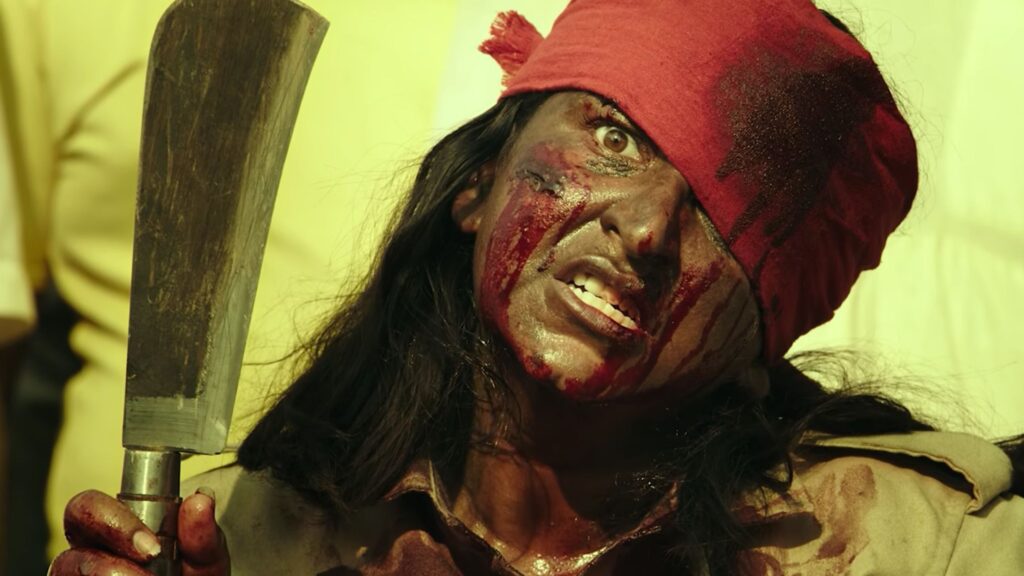
With a runtime of 133 minutes and 22 seconds and 22 cuts, Gangs of UK demands nerves of steel from its audience. The climax hints at a sequel, suggesting that this is only the beginning. While this first installment is saturated with violence, it remains to be seen whether Ravi Srivatsa will alter his approach in the next part.
On the technical front, the music stands out. The compositions based on the works of Santha Shishunala Sharief—Soruthihudu Maneya Maalige, Gudiya Nodiranna, and Hakida Janivaarava—are effectively used and enhance the narrative. R Giri a veteran cinematographer has given many memorable shots especially from the aerial capture.
Among the cast, despite many being newcomers, the performances are impressive. Padma Vasanthi delivers an outstanding, award-worthy performance. Orata Prashanth, Sonu Upadhyaya, and Srinagara Muni are equally compelling.
For the first time, journalist Naveen Krishna appears as the politician Bangarappa Bosaraju and delivers a neat performance. Fans of intense, violent cinema can head to theaters to witness Ravi Srivatsa’s roaring style in Gangs of UK.