


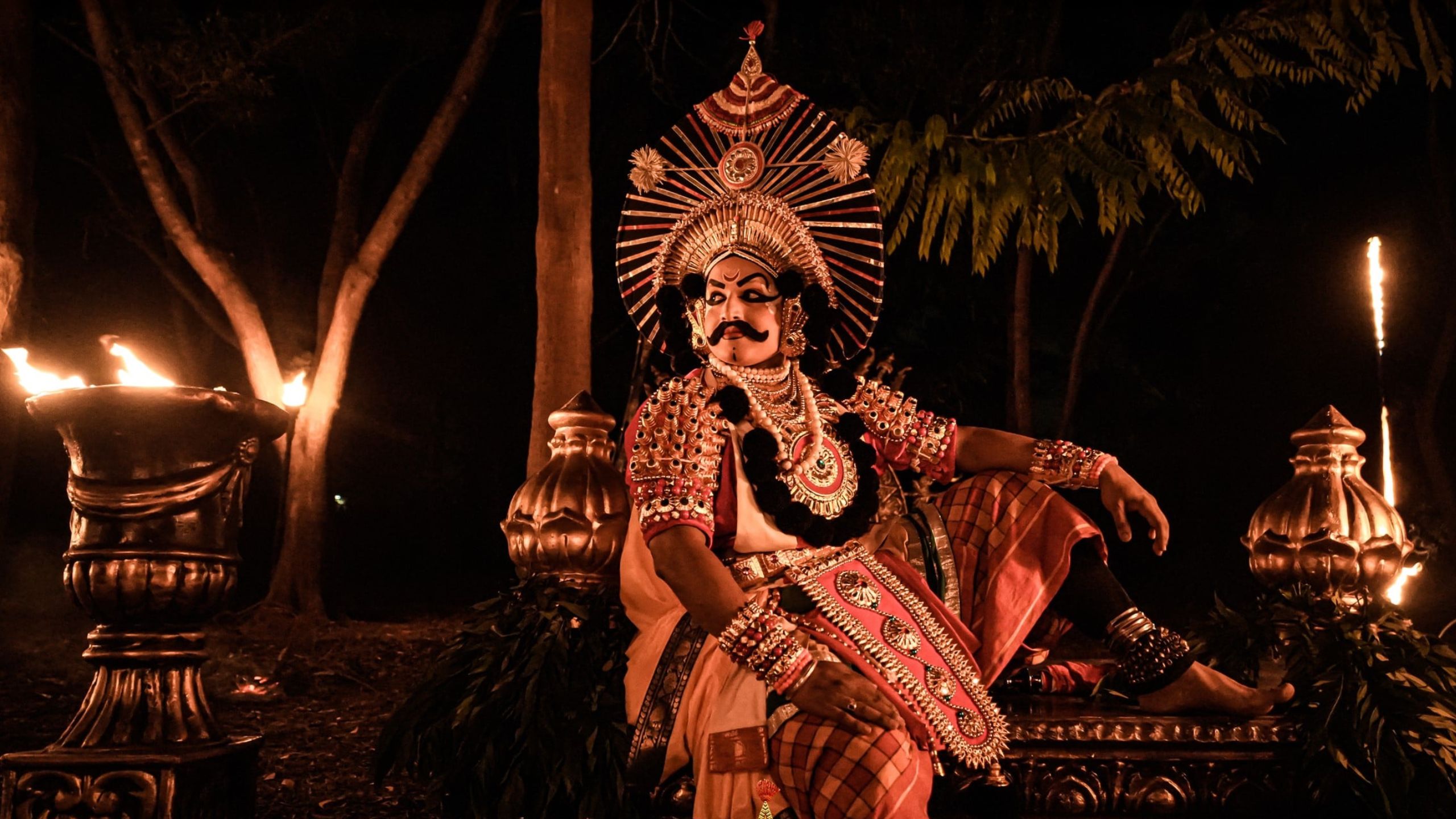
In recent years, films that showcase traditional practices, art forms, or age-old sports have reminded us how little we often know about our cultural roots. When these timeless elements are brought to life on screen, they not only raise awareness and impart knowledge but also serve as valuable documentation for future generations. One such remarkable effort is Veera Chandrahasa, a film made entirely in the Yakshagana art form. Directed by KGF-fame music director Ravi Basrur—who earlier helmed the uniquely conceptualized children’s film Girmit—this project stands out as the first to fully embrace and present Yakshagana in its purest cinematic form.
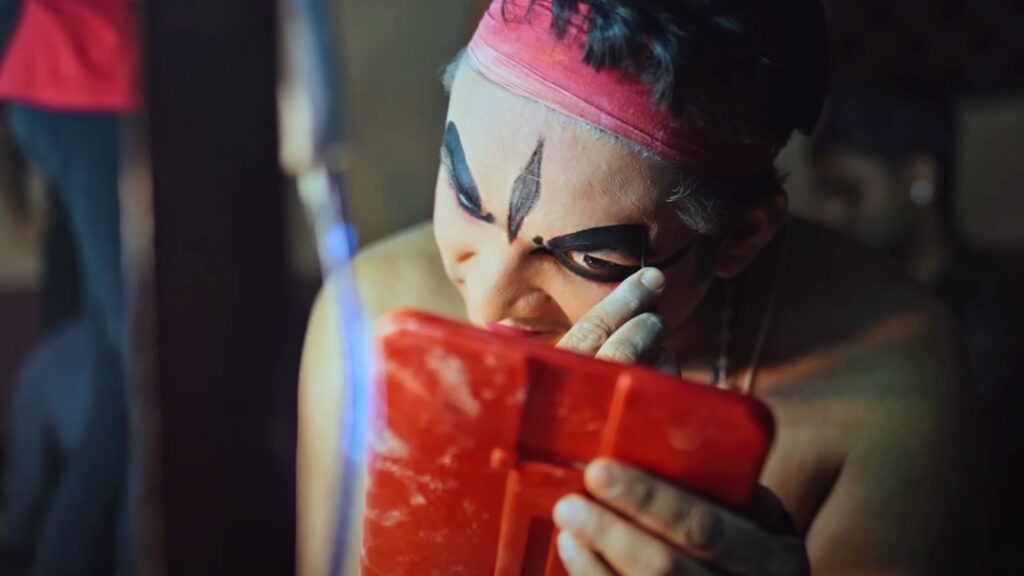
To know Chandrahasa is to revisit a legendary tale from Hindu mythology. Featured in the Ashvamedhika Parva of the Mahabharata, Chandrahasa—king of the Kuntala kingdom—befriends Arjuna and supports Yudhishthira’s ashvamedha yajna, alongside Krishna. His story is also immortalized in the Kannada epic Jaimini Bharatha by poet Lakshmeesha. Over time, this tale has thrived through Yakshagana theatre—and now, Ravi Basrur brings it to the silver screen.
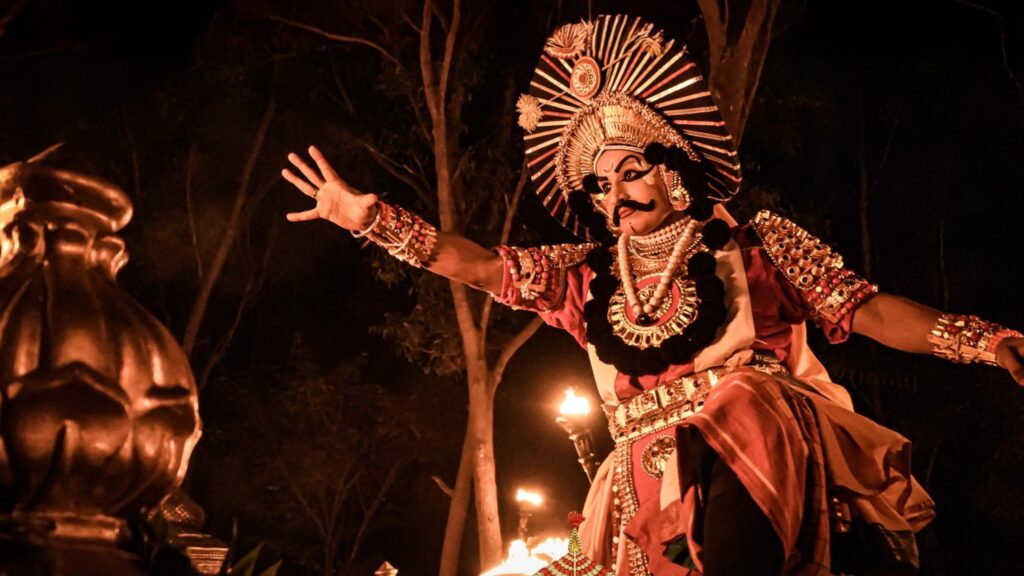
The film opens with a map of the Kuntala kingdom, where the king has no male heir—only his daughter, Princess Champaka Malini. The cunning minister Dushtabuddhi plots to marry his son Madana to the princess and seize power. But when a Brahmin presents a young orphan boy with royal features and prophesies that he may be the kingdom’s future king, Dushtabuddhi perceives him as a threat and tries relentlessly to eliminate him—both in childhood and adulthood. The boy is later adopted and grows into Chandrahasa, prince of Chandanavati. The film traces his journey from orphan to royal—but whether he will ascend the throne is a question left for Part 2, as this saga is far from over.
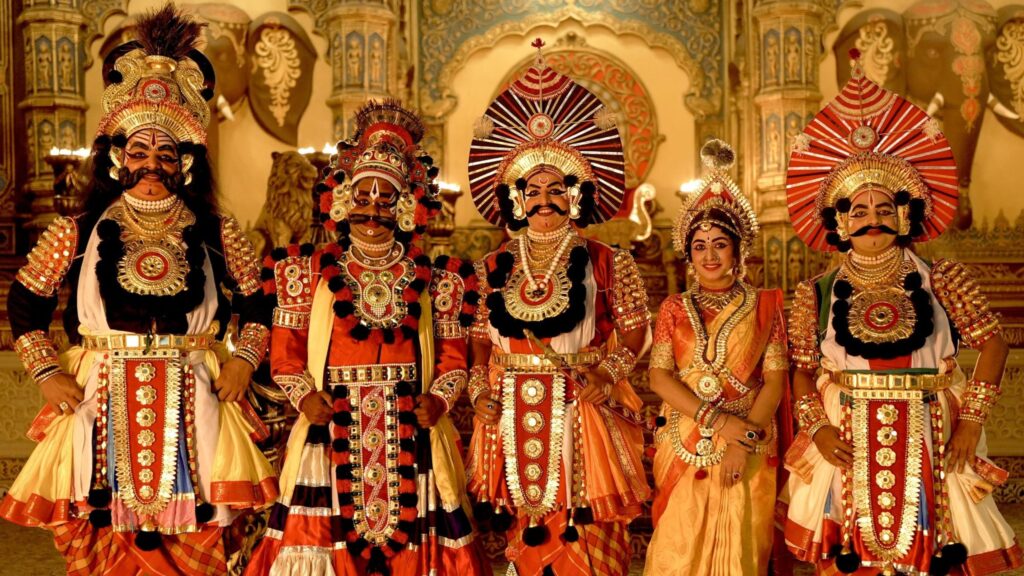
The movie boasts powerful performances. Shithil Shetty shines as Chandrahasa, the graceful prince-warrior who captivates with his charm. As the saying goes, a hero is only as strong as his villain—and Prasanna Shettigar delivers a standout performance as the menacing Dushtabuddhi. Vishaye (Nagashree) and Madana (Uday), the minister’s children, become crowd favorites with their innocence and endearing presence. Ravindra adds ample humor as the Brahmin purohith. When it comes to mythology in Kannada cinema, one cannot imagine it without Dr. Rajkumar. Here, we get a brief but impactful AI-generated glimpse of him as Mutturaja Swamy. Dr. Shivarajkumar’s cameo as ShivaPutta Swamy is the cherry on top—his Yakshagana look adds a layer of grandeur, and he looks truly extraordinary.
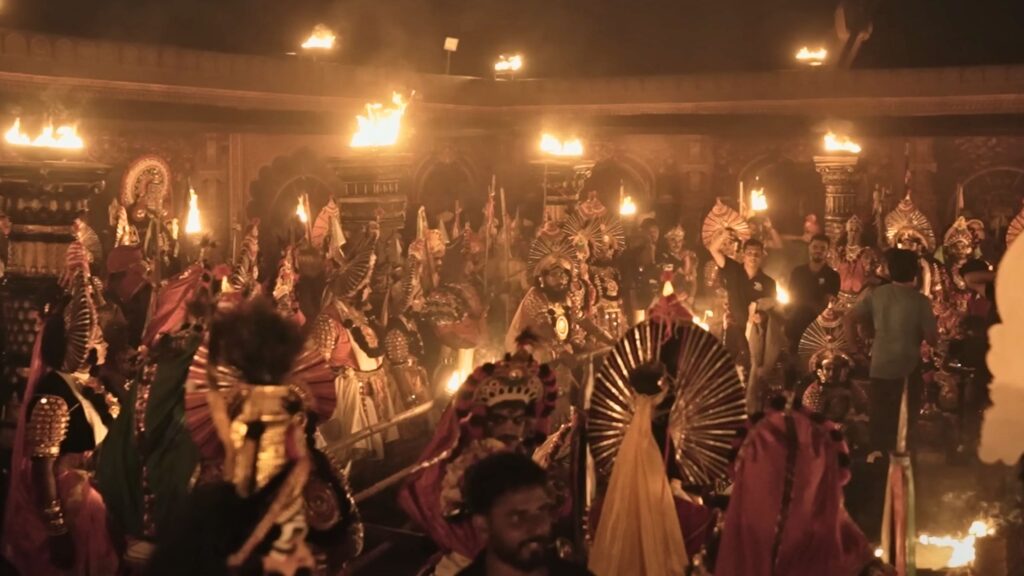
As the first full-fledged Yakshagana film, audience engagement over the 2.5-hour runtime largely depends on one’s affinity for the art form. For the unversed, it might take time to adapt to Yakshagana’s rhythm and style, and certain portions may feel stretched. However, these moments are balanced by several high points and admirable sequences that truly impress. Much credit goes to the film’s exceptional technical crew. The music remains a consistent highlight, maintaining energy throughout. Visually, the film is a feast—every frame is crafted with care. Kudos to cinematographer Kiran Kumar for the stunning visuals, art director Prabhu Badiger for the immersive sets, Valli for the authentic, vibrant costumes, and the VFX team for seamlessly elevating the narrative’s grandeur.
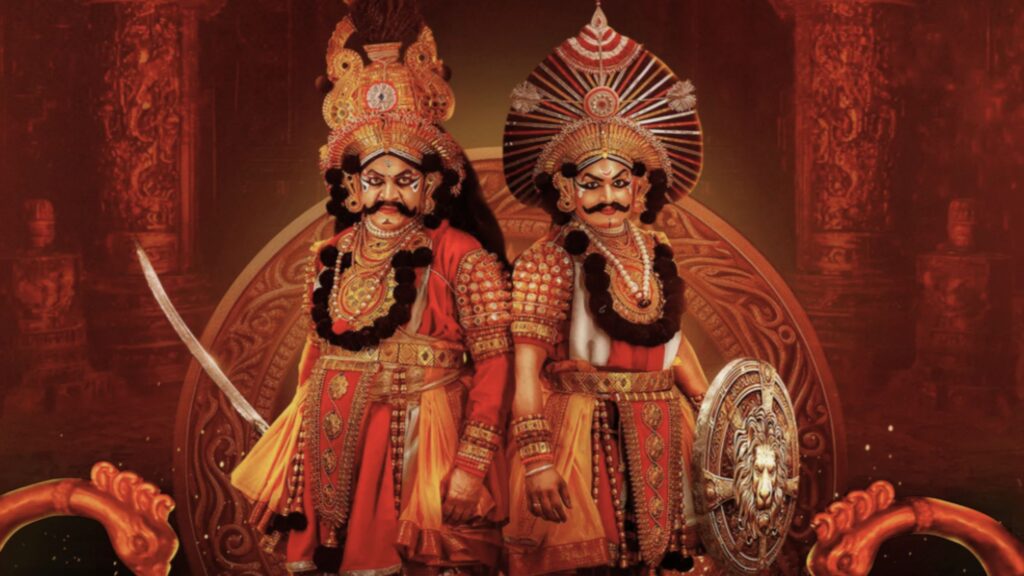
Of late when mythological films in Kannada cinema often struggle to make a lasting impact, Veera Chandrahasa dares to be different. Rooted deeply in Yakshagana, the film doesn’t just draw from the art—it surrenders to it completely. What sets it apart is its bold, uncompromising vision: the entire film is shot using firelight, with no artificial lighting. This daring choice results in a raw, earthy aesthetic that transports viewers into an almost otherworldly experience. With seasoned Yakshagana artists forming the core of its cast and crew, the film feels less like a modern production and more like a live performance captured on screen. It’s a rare blend of tradition and cinema, making Veera Chandrahasa a truly unique offering. While the appeal may vary depending on one’s openness to the form, this film deserves to be watched in theatres—for the experience it offers and the passion behind its making.