





Violence, swagger, blood, desire and power, Toxic enters with the confidence of a film that knows exactly how large it wants to be. Set against the opium and casino underworld of Goa and Macau, Geetu Mohandas creates a dark, feverish world where crime, family and ambition constantly collide.
At its heart is Raya (Yash), a feared underworld figure whose relationship with his sister Ganga (Nayanthara) reveals the softer side buried beneath his brutality. As old relationships, betrayals and an abandoned son named Ticket pull him deeper into his past, Toxic gradually becomes less about the gangster mythology and more about the consequences of choices made without ever stopping to confront them.
And this is where the film becomes unexpectedly interesting.

Beneath its guns and machismo is a story about inherited trauma, abandonment, guilt and the complicated ways love survives inside dysfunctional families. Every character seems to be carrying something they haven’t processed and the film suggests that the actions that make you feel invincible in the moment can eventually become the very things you carry as guilt for the rest of your life.
Visually, Toxic is a beast. The production design is spectacular, the cinematography is richly atmospheric and several action sequences are genuinely made for a theatre screen. There is tremendous ambition in the world created, with an intoxicating mix of period aesthetics, crime drama and surreal imagery. The final stretch, especially, takes a striking turn that may divide audiences but certainly refuses to play safe.

Yash, meanwhile, owns the film. As Raya and Ticket, he gets two distinct shades to explore, and he throws himself into both with remarkable physical commitment. Ticket, in particular, is an arresting creation, wild, unpredictable and almost dreamlike in his movement. Yash’s body language does as much work as the makeup and de-ageing.
Kiara Advani makes an impression with a controlled performance. Nayanthara, Rukmini Vasanth, Tara Sutaria and Huma Qureshi are dependable, though the writing doesn’t give the women enough room to become as memorable as they could have been. Sudev Nair and Balaji Manohar are both underutilised, leaving their talent largely untapped.
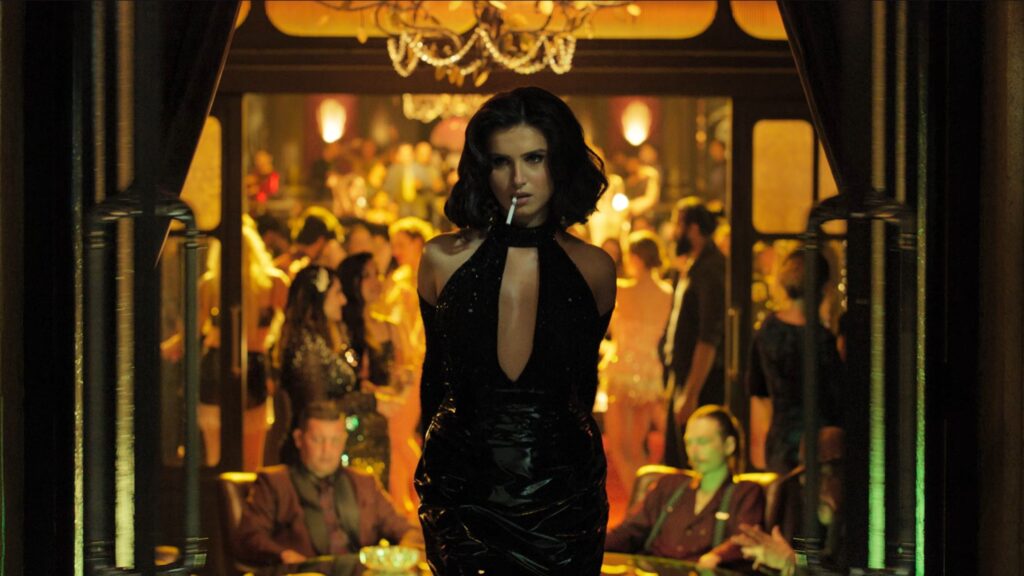
The film’s biggest weakness is that its storytelling occasionally gets buried beneath its own spectacle. Rapid editing, a crowded ensemble and fragmented exposition make the first half particularly demanding. The dialogue style also keeps fluctuating between poetic passages and massy one-liners, and the two tones don’t always sit comfortably together. The dubbing, particularly in several close-up scenes, is evidently uneven. Some emotional moments needed more breathing room, while a few narrative threads could have used greater clarity. Ravi Basrur’s thunderous soundscape complements the film’s scale, although the songs don’t always leave the same impact.

Still, Toxic deserves credit for attempting something this audacious. It may not always achieve the emotional weight its ideas promise, but its visual ambition, action choreography and Yash’s towering presence make it difficult to dismiss.
Toxic is a toxic fairy tale for grown-ups, ultimately a film about toxic choices and the emotional wreckage they leave behind, wrapped in blood, glamour, family, love and unapologetic spectacle. Violence… violence… violence… Yash surely can’t seem to avoid it. Flawed, excessive and fiercely ambitious, it is nevertheless an experience that demands to be seen on the big screen.